Third Place Decline
| Country of origin | United States |
|---|---|
| First documented | Late 20th century (1980s) |
| Original use | Sociological framework for analyzing community spaces |
| Key theorist | Ray Oldenburg |
| Core definition | Social environments separate from home (first place) and work (second place) |
| Typical examples | Cafes, pubs, libraries, community centers, barbershops |
| Primary function | Fostering informal, neutral, and accessible public interaction |
Origin and history
The concept of the "Third Place" originates from the sociological work of Ray Oldenburg, primarily detailed in his 1989 book "The Great Good Place." Oldenburg, an American urban sociologist, formulated the idea to describe informal public spaces distinct from the "first place" of home and the "second place" of work. His analysis emerged from observing mid-to-late 20th century American suburban development and its impact on community cohesion. The phenomenon of "Third Place Decline" refers to the observed reduction in the prevalence and vitality of such spaces in subsequent decades. This decline is not attributed to a single event but is a gradual cultural shift documented by sociologists and urban planners from the 1990s onward. The discourse around this decline has become a stable framework for analyzing changes in community life, particularly within North American and other industrialized Western societies.
What it is for
The analysis of Third Place Decline serves to diagnose a perceived erosion of informal community infrastructure and its social consequences. It provides a framework for understanding how changes in urban design, economics, and technology affect casual social interaction. This phenomenon is used by urban planners, sociologists, and community activists to advocate for the intentional design and preservation of public gathering spaces. It offers a vocabulary for discussing the atomization of social life and the rise of more private, scheduled forms of leisure. The concept is for anyone examining the relationship between physical environment and social health, particularly in suburban and urban contexts. It also serves as a historical benchmark against which contemporary social patterns, such as increased digital socialization, can be compared and critiqued.
Pros and cons
A primary pro of engaging with the concept of Third Place Decline is its utility as a clear diagnostic tool for community malaise, offering a tangible explanation for feelings of isolation. It provides a strong, evidence-based argument for investing in public infrastructure like parks, libraries, and community centers. However, a significant con is that it can lead to nostalgic idealism, overlooking the fact that historical third places often excluded certain demographics based on race, class, or gender. Another common mistake is applying the mid-20th century American model universally, which can ignore culturally specific forms of informal gathering that exist elsewhere. Critics of the decline narrative sometimes regret its occasional technological determinism, which can oversimplify the complex reasons people may withdraw from public life. Furthermore, an overemphasis on physical space can undervalue the community-forming potential of digital spaces, though these lack the spontaneous, embodied interaction Oldenburg described.
Who it suits
This framework suits urban planners and municipal policymakers seeking to justify investments in public realm projects aimed at fostering community interaction. It is highly relevant to sociologists and anthropologists studying the evolution of social bonds in post-industrial societies. Community organizers and activists may use the concept to rally support for preserving local institutions like independent cafes, pubs, or bookstores facing economic pressure. The analysis also suits architects and landscape designers whose work focuses on creating conducive environments for informal socializing. Individuals feeling a sense of social fragmentation or loneliness in their own communities may find the concept provides a useful lens for understanding their experience. Finally, it suits critics of contemporary urban development patterns, particularly those concerned with car-centric suburban sprawl and the privatization of public life.
Latest Third Place Decline news
Latest reporting
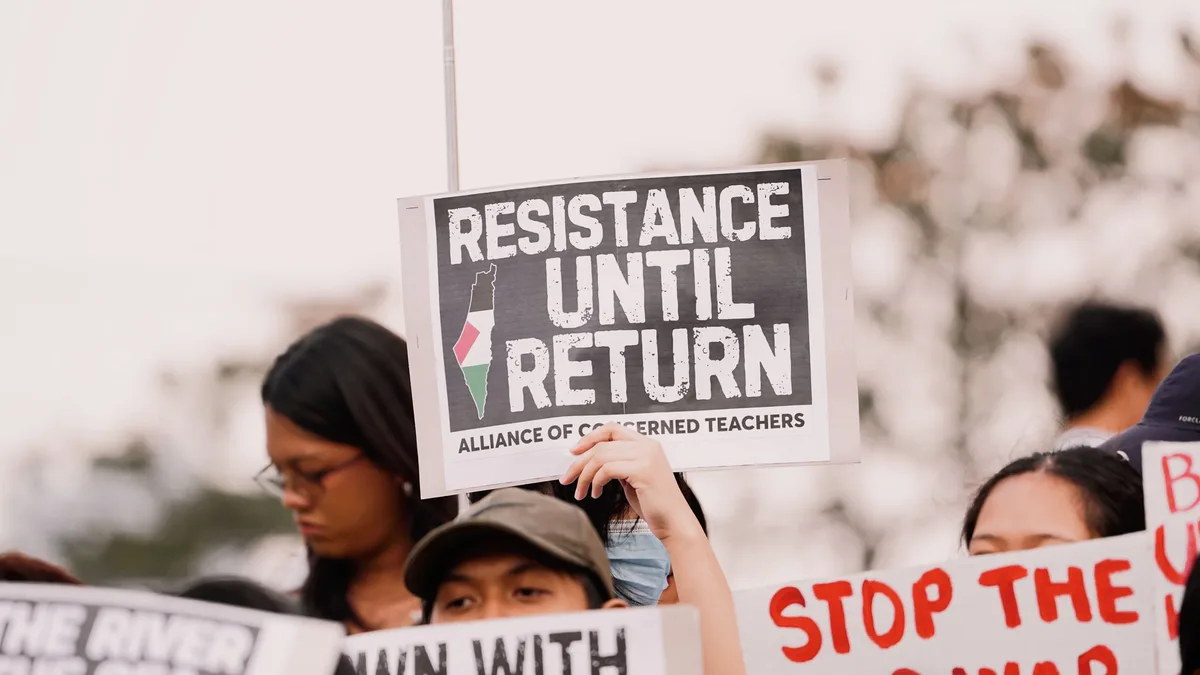
Artists Decline Documenta 16 Over Germany's Gaza Stance
Curator Naomi Beckwith says several artists have refused to participate in the prestigious Documenta 16 exhibition, citing Germany's political...

Singapore Pays Citizens to Read Books to Combat Decline
Singapore has launched a government scheme paying citizens small cash rewards for logging daily reading time, aiming to use behavioral science to...

Kacey Musgraves's Testicle Disco Ball Sparks Art History
Kacey Musgraves's tour prop, a giant testicle-shaped disco ball, has ignited discussion about its place in a lineage of camp, critical art using the
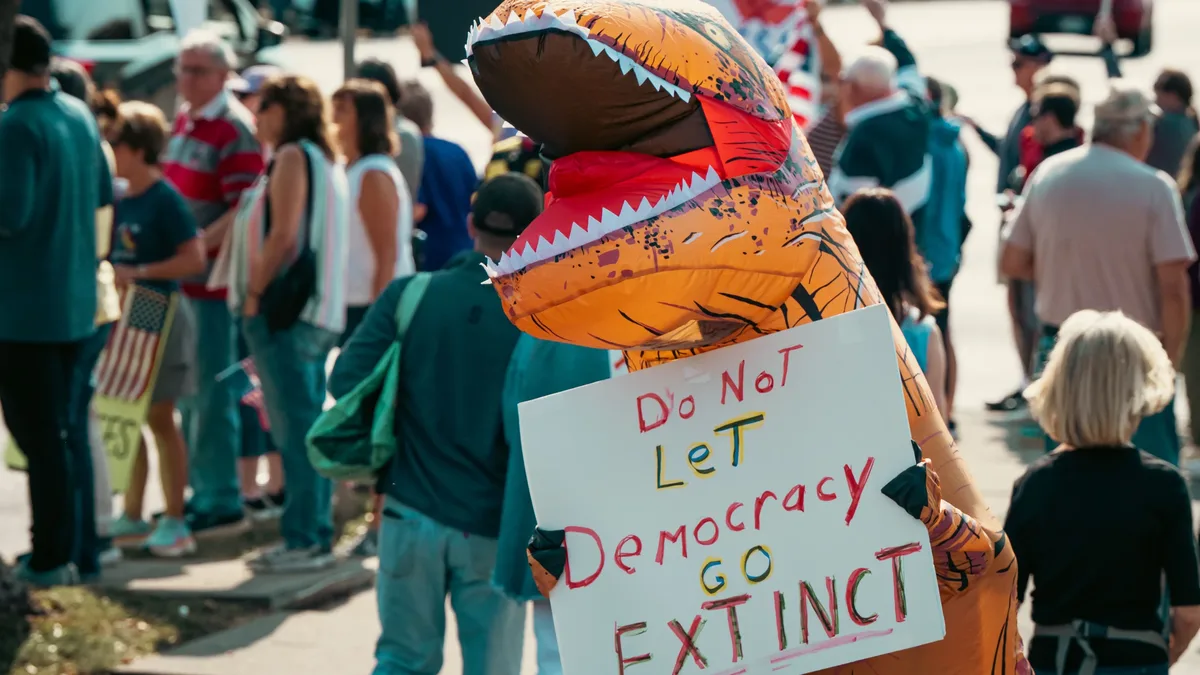
Counterpublic Triennial Expands as Invitation to Action
The third Counterpublic Triennial, 'Coyote Time,' opens across five St. Louis sites, framing itself as an invitation to experience public space...

Sex-Recession Movies Offer Divergent Visions
Two new films, 'One Night Only' and 'I Want Your Sex', respond to studies showing a decline in sexual activity, particularly among young people, with

Insidious: Out of the Further - A Fading Franchise Struggles to Sustain Its Chill
The sixth installment of the Insidious franchise, Out of the Further, marks a decline in creativity and entertainment value, despite a few eerie...