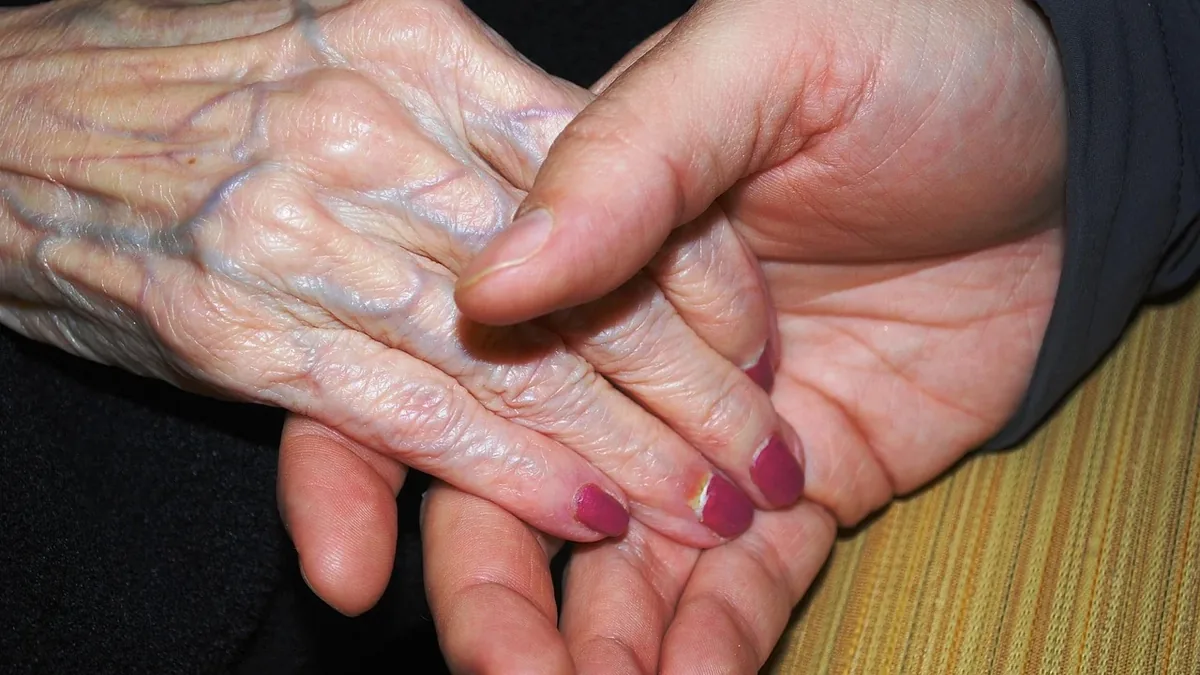
Ageing And Generational Caregiving
| Origin | Cultural analysis and demographic studies |
|---|---|
| First documented | Late 20th century |
| Primary drivers | Demographic ageing and changing family structures |
| Core concept | The societal expectation and practice of providing care across generational lines |
| Typical direction | Younger generations providing care for older generations |
| Cultural significance | Highlights shifting family responsibilities and economic pressures |
| Related phenomena | Sandwich generation, elder care, multigenerational households |
Origin and history
The cultural phenomenon of ageing and generational caregiving is not a recent invention but a longstanding, global human practice. Its contemporary framing as a distinct societal topic emerged in the late 20th century within industrialized Western nations, particularly the United States and Western Europe. This shift was driven by demographic changes, notably increasing life expectancy and declining birth rates, which altered family structures. The formal academic and policy discourse around it coalesced in the 1980s and 1990s, as social gerontology and family studies examined its impacts. Previously a private family matter, it entered public consciousness through media reports and policy debates about the "sandwich generation." The terminology itself evolved from simple descriptions of "caring for elderly parents" to the more systemic concept of "generational caregiving," acknowledging its complexity.
What it is for
Ageing and generational caregiving serves to provide necessary physical, emotional, and practical support to older adults who can no longer fully care for themselves independently. Its primary function is to ensure the safety, well-being, and dignity of ageing family members, often within a familiar home environment. It also functions as a societal mechanism to address gaps in formal long-term care systems, which may be inaccessible or unaffordable for many families. The phenomenon serves to maintain familial bonds and fulfill cultural or personal obligations of respect and reciprocity towards elders. Furthermore, it provides a structure for managing the logistical complexities of ageing, such as coordinating medical appointments, managing finances, and adapting living spaces. Ultimately, it is for navigating the transition of an individual from full independence to varying degrees of dependence, a process requiring significant coordination and resource allocation.
What does Ageing And Generational Caregiving mean
Ageing and generational caregiving means the unpaid labor predominantly undertaken by family members to support the daily living needs of an older relative. It signifies a profound renegotiation of longstanding family roles, where adult children often become parental figures to their own parents. The term encapsulates the emotional weight of this role reversal, encompassing feelings of duty, love, stress, and sometimes resentment. It means a significant, long-term commitment that can span years or even decades, with evolving demands as the care recipient's health declines. Culturally, it often represents a living expression of familial duty, filial piety, or religious values, though interpretations vary widely across different societies. On a systemic level, it means a massive, often invisible economic contribution that subsidizes formal healthcare and social support systems.
Ageing And Generational Caregiving meaning
The meaning of ageing and generational caregiving extends beyond practical tasks to embody a key life stage and identity for the caregiver. For the caregiver, it frequently means a substantial reordering of personal priorities, impacting career trajectories, personal relationships, and financial security. It can mean experiencing social isolation as caregiving duties consume time and energy that would otherwise be spent on a wider social life. For the care recipient, it often means a struggle to maintain autonomy and self-worth while accepting necessary help from loved ones. At a community level, its meaning is shaped by available support networks, cultural expectations, and the quality of local eldercare services. The phenomenon's meaning is therefore deeply personal yet universally structured by broader economic, social, and policy environments.
Why is Ageing And Generational Caregiving popular
Ageing and generational caregiving is prevalent, not due to popularity in a conventional sense, but because it is a widespread and often unavoidable social reality. Its increased visibility is driven by the demographic inevitability of ageing populations in most developed nations and many developing ones. The rising average age of first-time parents means more adults are simultaneously raising young children and caring for ageing parents, a situation that garners significant media attention. Economic factors, such as the high cost of professional nursing home care and stagnant wages, make family caregiving a financial necessity for many households. Furthermore, a cultural preference for "ageing in place" keeps many older adults in their homes, relying on family support. Its prominence in discourse is also amplified by advocacy groups raising awareness of caregiver stress and pushing for supportive workplace policies and government assistance.
Pros and cons
A primary pro is that it allows ageing individuals to receive personalized, compassionate care within a familiar and loving environment, which can significantly improve their emotional well-being and quality of life. It can also strengthen familial bonds and provide a profound sense of purpose and fulfillment for the caregiver. From a societal perspective, it reduces the immense financial burden on public healthcare and long-term care systems. A significant con is the severe physical, emotional, and financial strain placed on caregivers, often leading to burnout, depression, and chronic health issues of their own. Common mistakes include caregivers neglecting their own needs, failing to seek outside help or respite care, and not having frank conversations about finances and end-of-life wishes early in the process. Many individuals regret the long-term career sacrifices made, the erosion of their personal savings, and the relational tensions that can arise among siblings over unequal caregiving responsibilities.
Who it suits
This arrangement suits individuals and families with strong pre-existing, resilient relationships and a shared commitment to the elder's well-being. It suits caregivers who have flexible employment situations, understanding employers, or the financial resources to reduce their work hours without catastrophic loss of income. It is often best suited to geographical contexts where family members live in close proximity or where one member has the ability to relocate. The model suits care recipients who value familial closeness over professional care and whose care needs are manageable within a home setting, at least initially. It also suits cultures where filial responsibility is a deeply ingrained value and where extended family networks can share the caregiving load. Ultimately, it suits situations where clear, ongoing communication, realistic planning, and access to external support services are prioritized from the outset.