History And Public Memory
| Subject | History And Public Memory |
|---|---|
| Origin | Late 20th century academic discourse |
| Primary field | Public History |
| Key concern | How societies remember and commemorate the past |
| Central tension | Official history versus collective or contested memory |
| Typical forms | Monuments, museums, memorials, anniversaries, education |
| Original use | Critical analysis of historical narrative formation |
Origin and history
The academic field of History and Public Memory emerged primarily in the United States and Western Europe during the late 20th century, gaining significant traction from the 1980s onward. Its development is deeply intertwined with the broader "memory boom" in historical scholarship, which shifted focus from purely archival political history toward examining how societies remember and commemorate the past. This shift was influenced by earlier sociological work, such as Maurice Halbwachs's theories on collective memory from the mid-20th century. The field was further catalyzed by public debates surrounding major historical anniversaries, war memorials, and national apologies for past injustices. It arose concurrently with the growth of cultural history and post-colonial studies, which questioned dominant historical narratives. The field is now a stable, interdisciplinary area of study connecting history, sociology, anthropology, and museum studies.
What it is for
The field of History and Public Memory analyzes the processes by which societies select, narrate, and institutionalize versions of the past for public consumption. It examines the purpose behind monuments, museums, memorials, commemorative rituals, and history curricula, investigating whose stories are elevated and whose are silenced. A core function is to scrutinize the relationship between historical scholarship and popular understanding, often revealing a significant gap between professional historians' conclusions and public belief. It serves to understand how memory is used to shape national identity, foster social cohesion, or legitimize political authority. The field also provides tools for critically engaging with heritage industries and the commercialization of the past. Ultimately, it is for understanding the present by analyzing which pasts are actively remembered and why, treating public memory as a dynamic and contested force rather than a static record.
Pros and cons
A significant advantage of engaging with this field is the development of critical literacy regarding public spaces and national stories, allowing individuals to recognize the constructed nature of heritage. It provides essential frameworks for societies to confront difficult histories, such as genocide or systemic racism, through memorialization and truth-telling processes. However, a common conundrum is that deconstructing foundational national myths can provoke intense public backlash and accusations of undermining social unity or patriotism. Practitioners often regret when nuanced academic analysis is simplified into polarizing political rhetoric, used to fuel culture wars over monuments and textbooks. A frequent mistake is assuming that exposing a myth will automatically lead to a more "accurate" and shared public memory, when it often results in fragmented, competing narratives. The field can also become overly abstract, struggling to propose concrete alternatives for memorialization that achieve broad consensus, leaving communities in a state of unresolved contention.
Who it suits
This field suits historians and cultural scholars interested in the application and reception of history outside academia, particularly those comfortable with interdisciplinary methods. It is appropriate for museum professionals, archivists, and curators who are actively shaping public memory through exhibitions and collections management. Civic planners and monument designers benefit from its insights when engaging with communities about commemorative projects in public spaces. It also suits activists and educators involved in social justice movements that seek historical redress or curriculum reform. Individuals with a high tolerance for ambiguity and conflict are best suited, as the work involves navigating emotionally charged debates about identity and victimhood. It is less suited for those seeking definitive, settled answers about the past, as it focuses persistently on the ongoing process of negotiation and the politics of remembrance.
Latest History And Public Memory news
Latest reporting
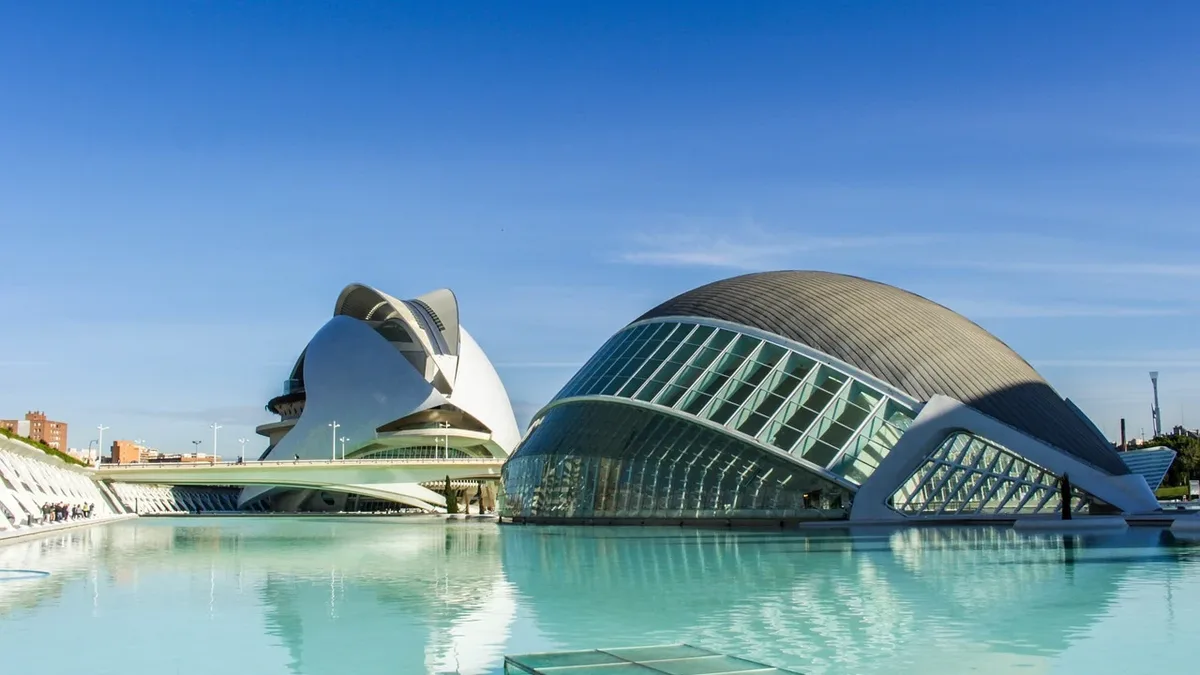
Qatar Museums Launches Inaugural Rubaiya Qatar Quadrennial
The inaugural Rubaiya Qatar, a major new international visual arts quadrennial, opens in Doha in November 2026 with three exhibitions and public art...

Avengers: Endgame Encore Edition Surpasses Avatar as Highest-Grossing Film
The Avengers: Endgame Encore Edition re-release has pushed the film's global box office total to $2.925 billion, overtaking Avatar's $2.923 billion...

Zaha Hadid's Clerkenwell Headquarters Reopens with Performance Exhibition
The Zaha Hadid Foundation has reopened the architect's former London headquarters as a public cultural space, launching with an exhibition on her...

Book Bans 2025-2026 School Year Hit Record High
U.S. Public schools recorded nearly 12,000 book bans in the 2025-2026 school year, the highest annual total since tracking began.
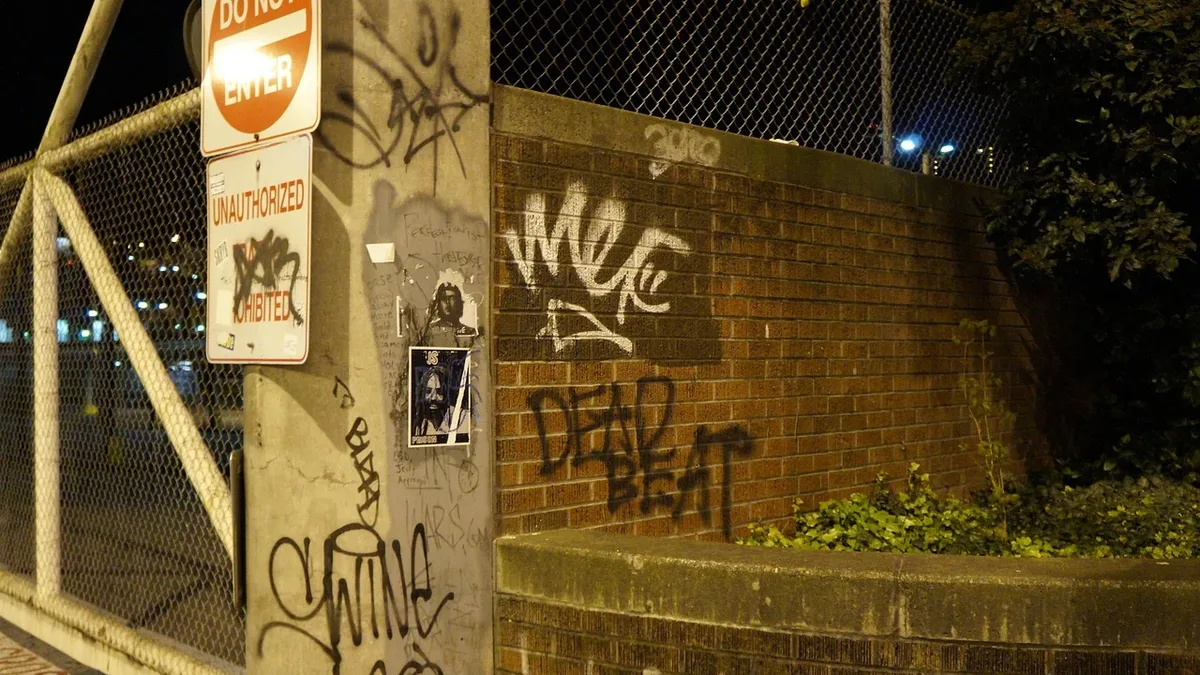
Lucas Museum plaza fences spark debate over public access
The Lucas Museum of Narrative Art in Los Angeles is installing permanent fences around its central plaza.
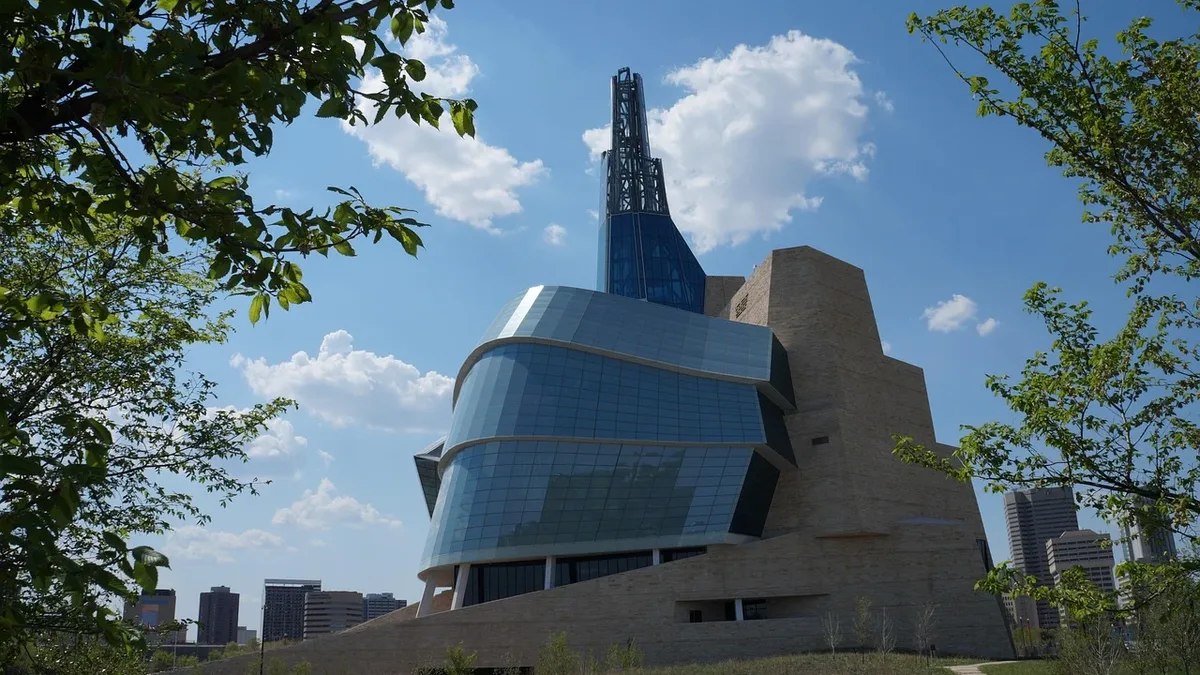
Collectors Fund $10 Million Restoration of Calder's Senate Sculpture
Jon and Kim Shirley spent a decade and $10 million to restore Alexander Calder's 'Mountains and Clouds,' the largest modern public artwork in...