Theaster Gates Buys Last US Porcelain Factory
Artist Theaster Gates acquires the historic but decaying Pickard China factory, framing it as a fight for human craftsmanship.
In a major move for craft preservation, artist Theaster Gates has purchased America's last operational porcelain fine china factory. Meanwhile, three leading museums on separate continents have announced a pioneering alliance to treat their collections as one unified resource.
The Pickard Factory Revival
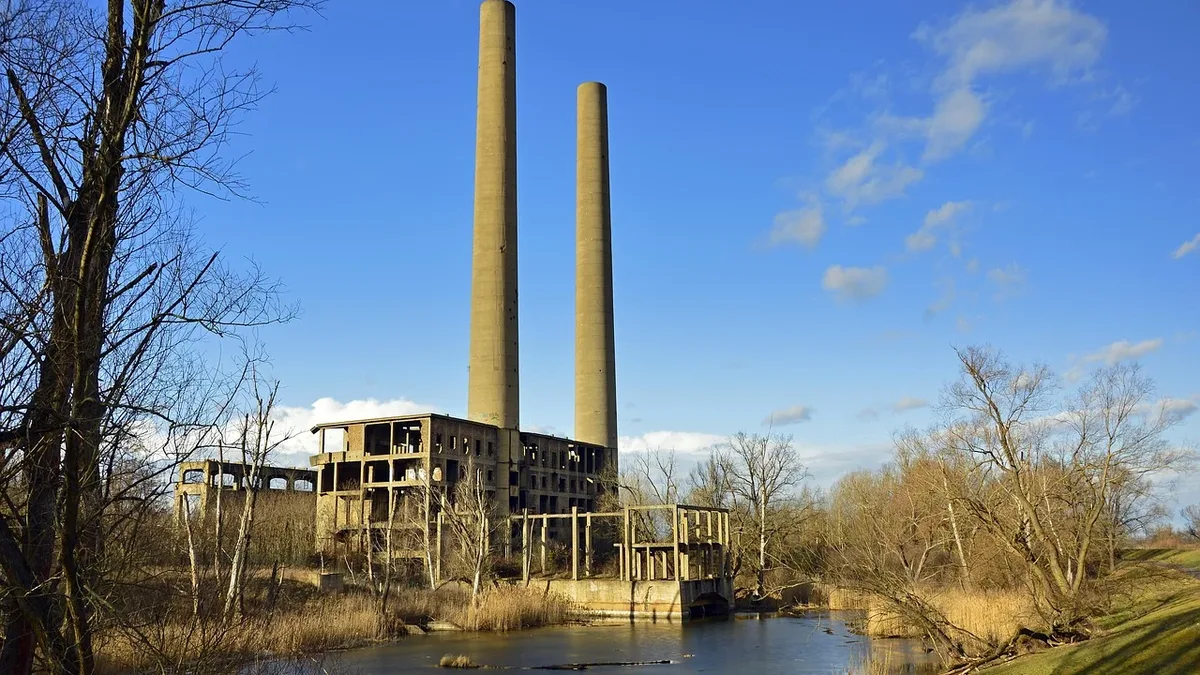
Theaster Gates, a celebrated artist and urban planner, became the new owner of the Pickard China factory in Antioch, Illinois, in September. He purchased the 130-year-old business, its client roster, and its massive, crumbling 60,000-square-foot facility from fourth-generation family member Andy Pickard Morgan for an undisclosed sum. The factory, which produces official White House china and serves clients like Williams Sonoma and US embassies, was in a state of shocking disrepair with only 12 remaining employees when Gates took over.
Gates describes the project as a civil fight to demand that humans are necessary to creative and manufacturing acts. His first action was not to fix the leaking roof or ancient kilns but to shore up the emotional health of the skeleton crew. "We were left with a building that needed a lot of care, and a staff that needed to know that their jobs were important," Gates says. This acquisition marks the first time Gates is taking over a floundering business with the aim of making it profitable, a challenge he sees as directly confronting a business culture that has long sought to need humans less.
The artist is known for transforming abandoned buildings in Chicago's South Side into community spaces, such as the Stony Island Bank cultural center and the recently opened Land School. He frames the Pickard endeavor as the culmination of two decades of preparation. Against a backdrop of slumping sales and deteriorating infrastructure, Gates cold-called the owner just as he was preparing to sell or shutter the family business. The project now is a practical test of Gates's long-held interest in the value of labor and the sustainability of American manufacturing.
A Tricontinental Museum Alliance
New York's Museum of Modern Art, Hong Kong's M+, and Paris's Centre Pompidou announced a tricontinental alliance on October 30, pledging to treat their collections as one. The institutions are entering this deep collaboration to address the soaring costs of art and operations, plateauing earned revenues, and decreasing government support, while also responding to the demand for a more global artistic narrative.
The alliance aims to maximize the reach of individual collections and leverage shared expertise, moving beyond routine co-acquisitions and exhibition sharing. Museums are painfully aware their current operating model is under strain, making collaboration a shared imperative for efficiency and better curatorial outcomes. The Centre Pompidou already operates a network stretching from Belgium to China, and other institutions like the Metropolitan Museum of Art and the Shanghai Museum have also recently committed to deeper collaboration.
Research and curatorial collaboration are likely just the start for the three-museum consortium. The value of such people-to-people coordination was evident during a recent professional development program at M+, where ideas were hatched and bonds of trust were cemented. On a recent busy Sunday, as thousands visited M+ for its fifth birthday, the potential of such partnerships was already becoming clear in the bustling basement galleries.