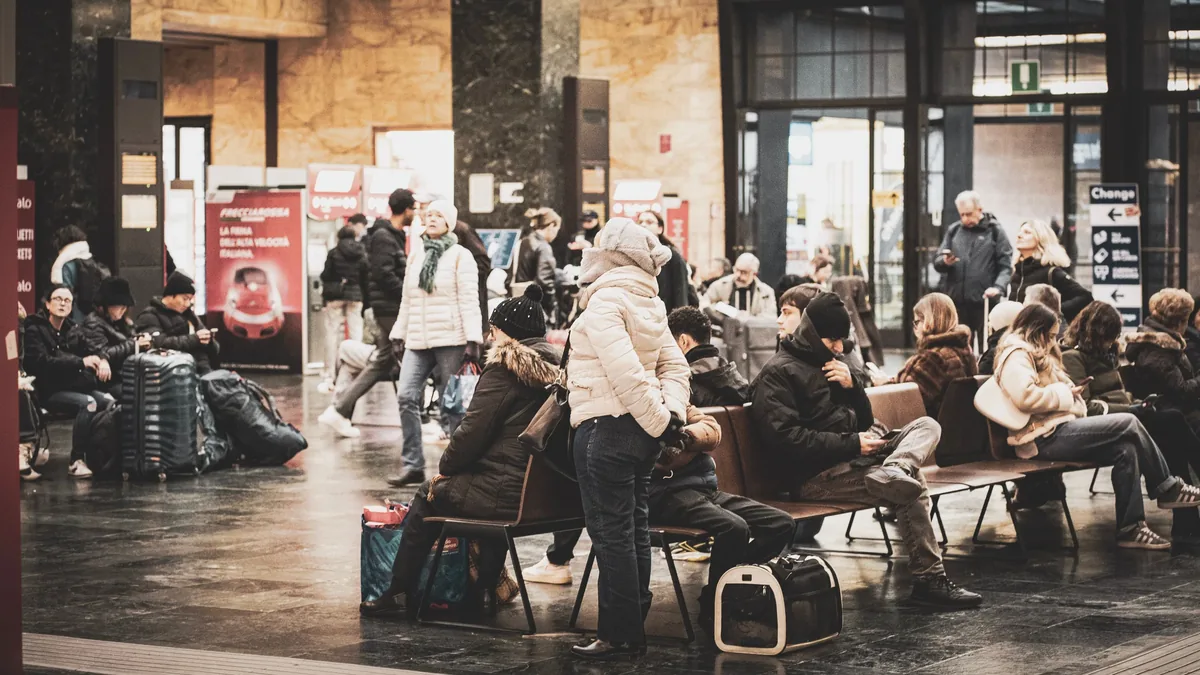
Third Places And Their Decline
| Country of origin | United States |
|---|---|
| First created | 1989 (term coined) |
| Original use | Sociological concept describing informal public gathering spaces |
| Key theorist | Ray Oldenburg |
| Core function | Foster community and civic engagement outside home and work |
| Typical examples | Cafes, pubs, libraries, parks, community centers |
| Decline factors | Suburbanization, digital media, commercial privatization |
| Societal impact | Linked to increased social isolation and weakened social capital |
Origin and history
The concept of the "Third Place" originates from the work of American sociologist Ray Oldenburg. He formally introduced and elaborated the term in his 1989 book "The Great Good Place." Oldenburg's analysis, however, drew upon observations of social life throughout the 20th century, particularly in the United States. He identified a long-standing pattern where communities thrived around informal public gathering spots distinct from home and work. The "decline" aspect emerged from Oldenburg's own contemporary observations in the late 20th century, noting the erosion of these spaces due to suburban design, commercial consolidation, and changing social habits. The phenomenon is therefore rooted in North American urban sociology but has since been applied globally to analyze similar trends in other developed nations. The discussion around their decline has intensified in the 21st century with the rise of digital communication and the economic pressures following the 2008 financial crisis.
What it is for
Third Places serve the fundamental human need for informal, neutral, and accessible social interaction outside the spheres of home (the first place) and work (the second place). Their primary function is to foster community cohesion by providing a setting for regular, unplanned encounters among a diverse set of locals. They are designed for low-stakes socializing, where conversation is the main activity and there is no obligation to be present. These spaces act as a social leveler, where individuals from different professions and backgrounds can interact on equal footing, reducing isolation. They also function as incubators for civic engagement and grassroots political discussion, as people exchange ideas freely. Ultimately, they provide a vital setting for the development of what social scientists call "weak ties," which are essential for community resilience and individual well-being.
What does Third Places And Their Decline mean
The phrase "Third Places and Their Decline" refers to the sociological observation and subsequent concern that the informal public spaces essential for community building are becoming scarcer and less functional. It describes a dual concept: first, the definition and value of these accessible, neutral gathering spots, and second, the documented trend of their disappearance or transformation. The "decline" signifies both a physical reduction in the number of such spaces and a qualitative change in those that remain, often becoming more commercialized, exclusive, or less conducive to lingering. This phenomenon points to a broader shift in social patterns, where private life becomes increasingly insular and public life becomes more transactional. It is a framework for understanding perceived losses in social capital and community vitality in modern societies. The term is used as a lens to critique urban planning, economic trends, and technological changes that prioritize efficiency and profit over spontaneous human connection.
Third Places And Their Decline meaning
In a cultural context, the discussion of Third Places and their decline reflects anxieties about individualism, loneliness, and the erosion of the public sphere. It signifies a nostalgia for a perceived past of richer community life and serves as a critique of contemporary urban and suburban development. The concept is frequently invoked in debates about the "atomization" of society, where people are connected digitally but lack physical, communal anchors. Its meaning extends to a critique of consumer culture, where spaces once designed for gathering become optimized for revenue per square foot, discouraging loitering. The phrase also encapsulates a resistance to the complete privatization of leisure, arguing that democratic societies require vibrant, non-commercialized public realms. Ultimately, it is a marker for a cultural desire for authenticity, serendipity, and belonging that is seen as threatened by modern economic and social structures.
Why is Third Places And Their Decline popular
The topic of Third Places and their decline has gained significant popularity as a framework for explaining widespread social malaise, such as loneliness epidemics and political polarization. It resonates because it offers a tangible, physical explanation for abstract feelings of disconnection in an increasingly online world. Urbanists, community activists, and public health officials have adopted the terminology to advocate for better city design and social infrastructure. The concept has become popular in media discourse because it provides a compelling narrative of loss that contrasts the digital age with a romanticized analog past. It also offers a relatively non-partisan critique of modern life, appealing to both left-leaning advocates of public space and right-leaning traditionalists concerned about community decay. Furthermore, its popularity is fueled by the visible struggles of classic Third Places like independent cafes, pubs, and libraries, making the decline feel personally observable and urgent.
Pros and cons
A primary advantage of vibrant Third Places is the demonstrable increase in community social capital, leading to greater mutual aid, lower crime rates through natural surveillance, and improved mental health for residents. They provide essential neutral territory for diverse groups to interact, which can reduce societal tensions and foster empathy. However, a significant con is that idealized Third Places can sometimes perpetuate informal exclusion, as their regular clientele may unconsciously create cliques that feel unwelcoming to newcomers or marginalized groups. Another common drawback is the romanticization of these spaces, ignoring that historical Third Places were often sites of social stratification or could be oppressive for women and minorities. The decline itself is often regretted by those who feel isolated, particularly the elderly, new residents, or people working remotely, who find their opportunities for spontaneous connection severely limited. A frequent mistake in attempting to revive Third Places is creating artificial, commercially-driven versions that lack the essential qualities of accessibility and low financial pressure to participate, resulting in spaces that feel inauthentic and fail to foster genuine community.
Who it suits
The concept of Third Places and their decline particularly suits sociologists, urban planners, and community developers who use it as an analytical tool for assessing neighborhood vitality. It resonates strongly with individuals who feel a sense of rootlessness in suburban environments or anonymous urban apartments, and who crave local belonging. The discussion suits activists and non-profit organizations focused on combating loneliness, especially among aging populations and new parents seeking peer support. It is also relevant to small business owners, such as cafe or bookstore proprietors, who intentionally cultivate a Third Place atmosphere as part of their commercial and community ethos. Furthermore, the topic suits critics of contemporary digital culture who argue that online networks are insufficient substitutes for face-to-face, embodied social interaction. Finally, it appeals to individuals with a nostalgic inclination who perceive a qualitative loss in community life and seek frameworks to articulate that loss and imagine alternatives.
Latest Third Places And Their Decline news
Latest reporting
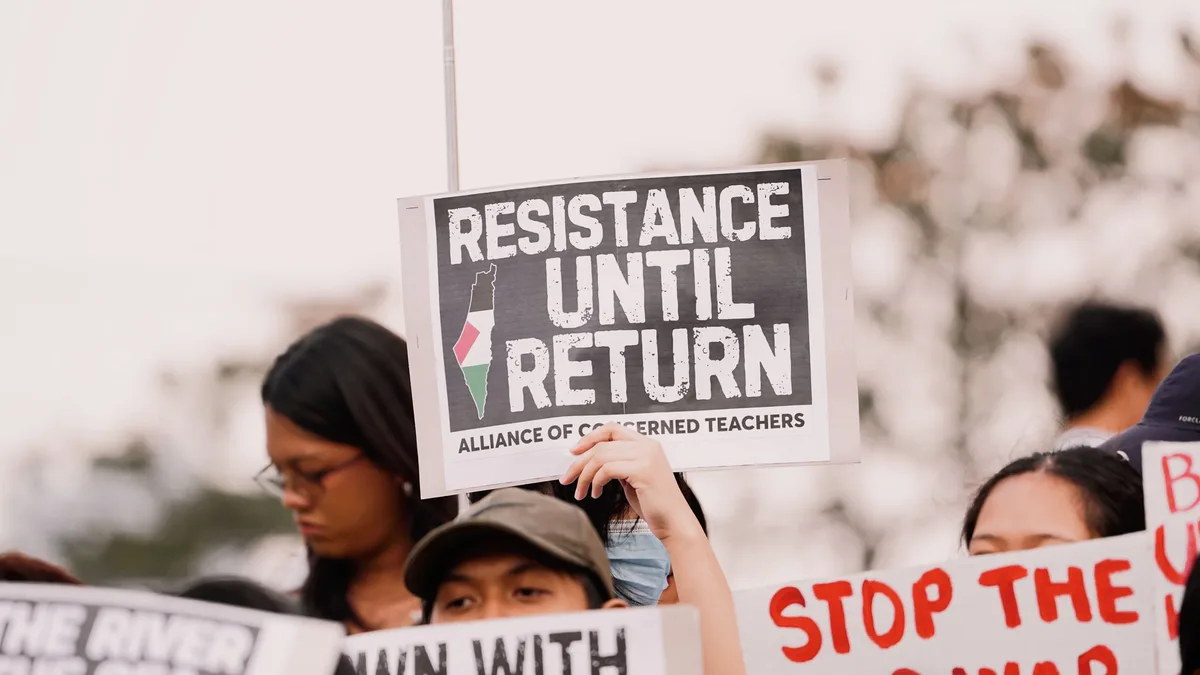
Artists Decline Documenta 16 Over Germany's Gaza Stance
Curator Naomi Beckwith says several artists have refused to participate in the prestigious Documenta 16 exhibition, citing Germany's political...

Singapore Pays Citizens to Read Books to Combat Decline
Singapore has launched a government scheme paying citizens small cash rewards for logging daily reading time, aiming to use behavioral science to...
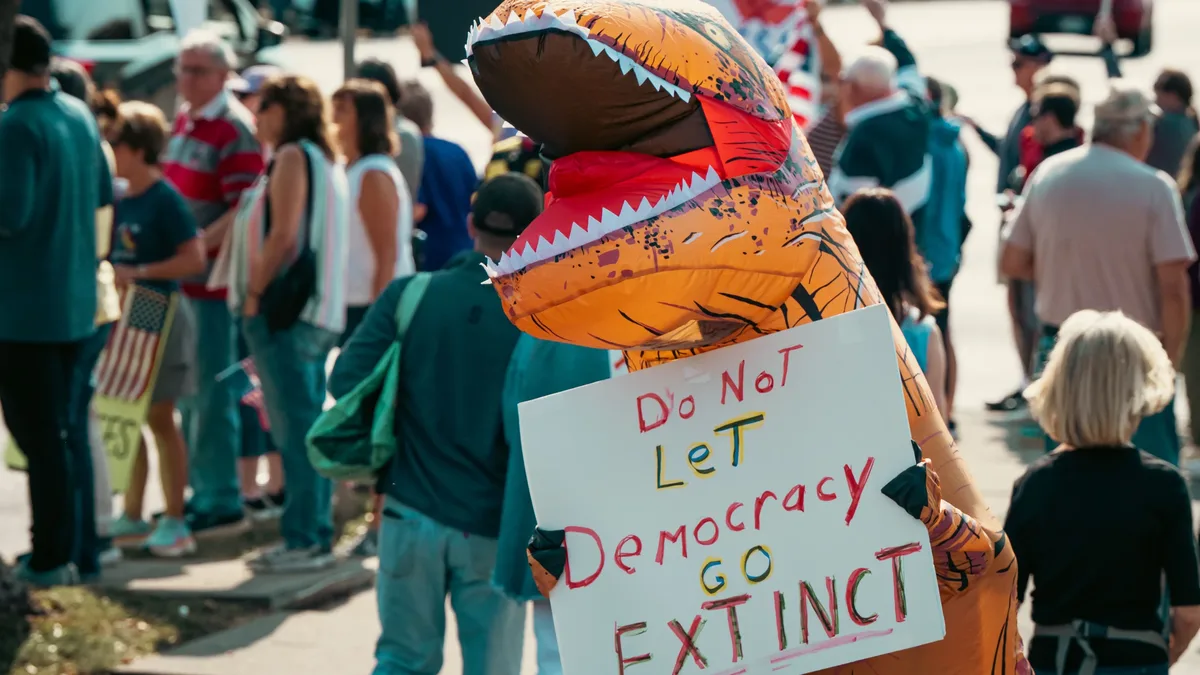
Counterpublic Triennial Expands as Invitation to Action
The third Counterpublic Triennial, 'Coyote Time,' opens across five St. Louis sites, framing itself as an invitation to experience public space...

New Jersey Black Women Printmakers Exhibit at Morven Museum
An exhibition at Morven Museum & Garden shows 14 generations of Black women printmakers from New Jersey, focusing on their advocacy and authentic

Union Town documentary exposes US delivery
Barbara Kopple's documentary 'Union Town' examines the fight to unionize app-based delivery workers for Amazon and DoorDash, highlighting their...

Sex-Recession Movies Offer Divergent Visions
Two new films, 'One Night Only' and 'I Want Your Sex', respond to studies showing a decline in sexual activity, particularly among young people, with