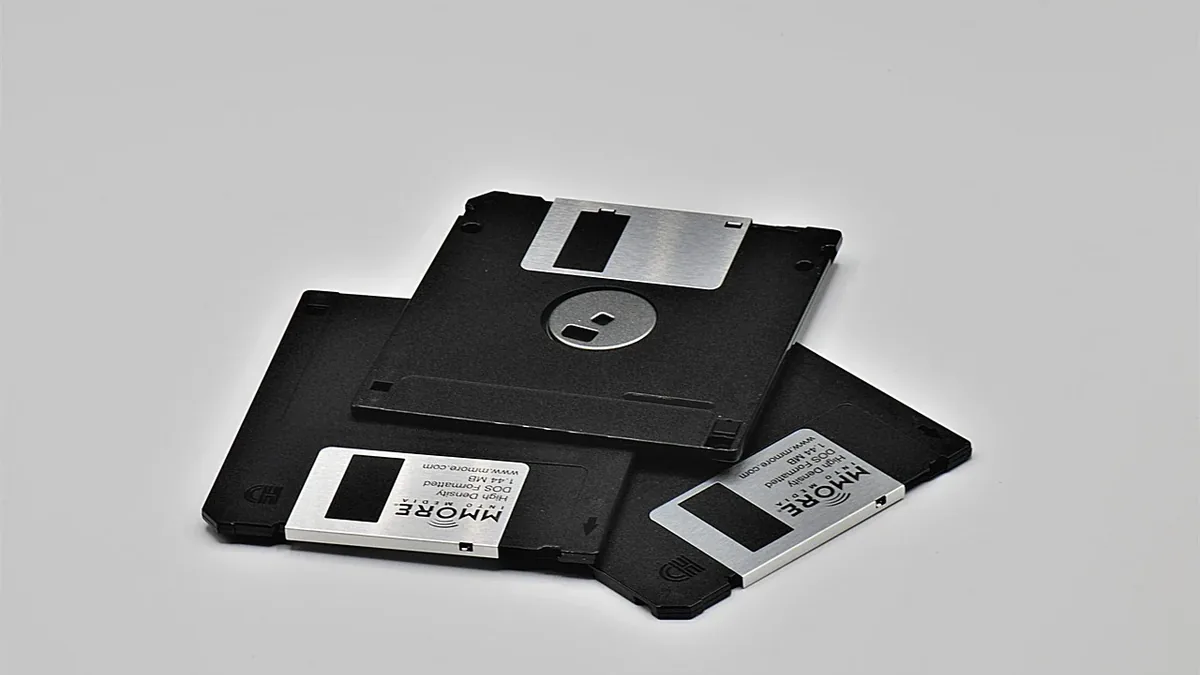
Digital Nostalgia
| Country of origin | Concept originated in United States and Japan |
|---|---|
| First documented | Late 1990s to early 2000s |
| Original use | Cultural analysis of emerging internet and early digital media culture |
| Primary demographic | Millennials and Generation Z |
| Core driver | Rapid obsolescence of digital technology and online platforms |
| Common manifestations | Retro gaming, archival of early web aesthetics, revival of obsolete software UI |
| Key cultural function | Creates a shared generational memory and critiques present digital experience |
Origin and history
Digital Nostalgia as a named cultural phenomenon emerged primarily from online communities in North America and Western Europe during the late 2000s and early 2010s. Its rise is intrinsically linked to the rapid pace of technological obsolescence and platform migration that characterized the early internet era. The phenomenon was catalyzed by the widespread adoption of social media platforms, which provided shared spaces for the aggregation and reminiscence of dated digital content. Key early facilitators included websites like Tumblr and YouTube, where users began curating and sharing media from their childhoods, such as low-resolution graphics, early web design aesthetics, and outdated software. The collective longing for the experiential feel of earlier digital environments, rather than just the media itself, solidified it as a distinct cultural trend. This period also saw the maturation of the first generation to have childhoods shaped by home computers and consoles, who then reached adulthood and began looking back.
What it is for
Digital Nostalgia serves as a communal mechanism for processing collective technological memory and the personal experiences embedded within it. It functions to create a sense of shared identity and belonging among generational cohorts who remember specific hardware, software, and online spaces. The phenomenon provides a framework for critically examining the trajectory of technology by contrasting past expectations with present realities. It is used creatively as an aesthetic resource in art, music, and design, often under labels like "vaporwave" or "cyberpunk," which repurpose old digital visuals and sounds. For individuals, engaging with digital nostalgia can be a comforting psychological retreat from the complexities and perceived over-saturation of the contemporary digital landscape. It also acts as an informal archival effort, preserving the look, feel, and user experience of digital eras that are often poorly documented by official sources.
Pros and cons
A significant benefit of Digital Nostalgia is its role in preserving intangible cultural heritage, ensuring that the user experience and vernacular of past digital eras is not entirely lost. It fosters intergenerational connection and provides a rich, shared vocabulary for discussing technological change. The aesthetic recycling inherent in the trend has led to innovative new art forms and design philosophies that critique modern consumer technology. A primary drawback, however, is the strong tendency toward romanticization and revisionism, where the frustrations, limitations, and exclusivity of older technologies are sanitized or forgotten. This can lead to a distorted historical perspective that overlooks the very real problems of those eras. Furthermore, intense engagement can manifest as a form of escapism that avoids engaging with current technological challenges or ethical dilemmas. A common mistake is conflating personal nostalgia for a simpler childhood with the objective quality of the technology itself, which often was not superior.
Who it suits
This phenomenon resonates most strongly with individuals who experienced formative years during a major transition in digital technology, such as the shift from analog to digital media or the dawn of the social web. It particularly suits millennials and older members of Generation Z who have lived through several distinct phases of internet culture and consumer hardware. Digital Nostalgia appeals to archivists, historians, and designers interested in the evolution of human-computer interaction and digital aesthetics. It also attracts communities of retro computing and gaming enthusiasts who enjoy the technical challenge and distinct experience of using legacy systems. The trend is less engaging for those whose first or primary digital experiences are with contemporary, seamless, and mobile-focused technology, as they lack the personal reference points. It suits cultural critics and scholars analyzing the societal impact of technology through the lens of collective memory and loss.