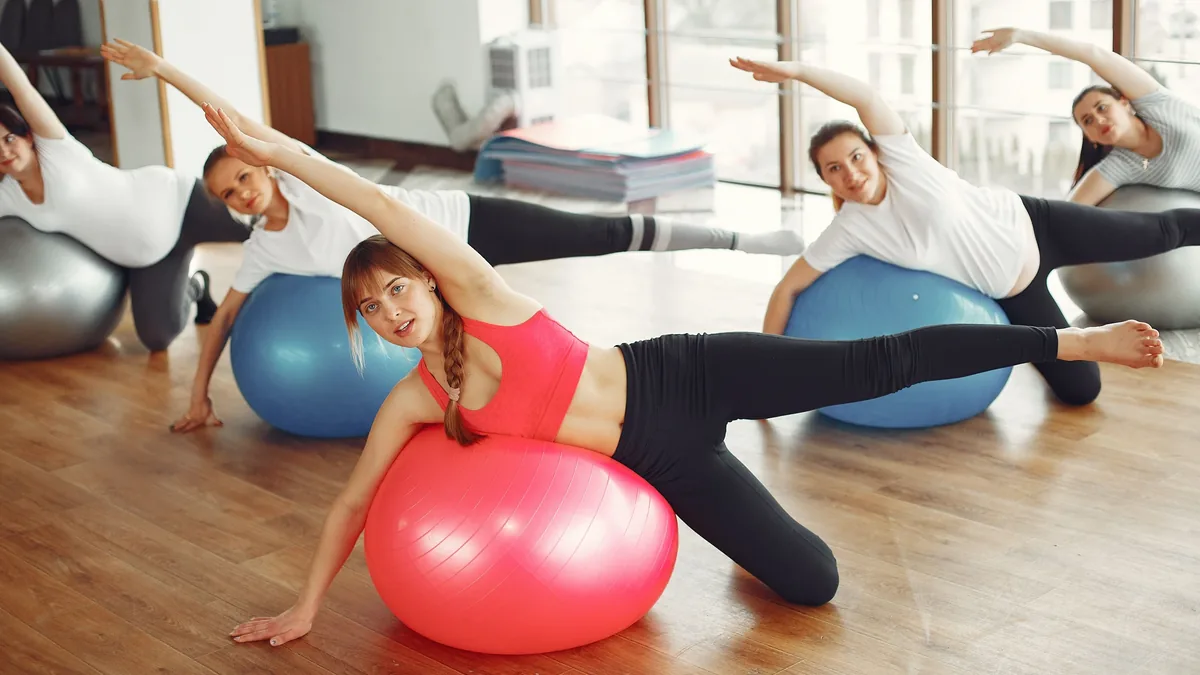
Health, Fitness And Body Culture
| Origin | 20th century Western consumer culture |
|---|---|
| Primary demographic | Middle and upper classes |
| Core driver | Pursuit of physical capital and self-optimization |
| Key cultural statement | The body is a project to be disciplined and improved |
| Typical manifestations | Gyms, diet regimens, wearable fitness trackers, social media content |
| Related industries | Fitness equipment, apparel, nutrition supplements, wellness tourism |
Origin and history
The modern health, fitness, and body culture is a Western phenomenon with roots in the physical culture movements of the 19th century in Europe and North America. Its early forms were heavily influenced by the gymnastics systems developed in Germany and Sweden, which emphasized disciplined, regimented group exercise for national strength. The late 19th and early 20th centuries saw the rise of strongmen and physique performers, such as Eugen Sandow, who popularized the aesthetic ideal of a muscular body. The mid-20th century introduced commercial gyms and weightlifting, moving the focus from public displays to individual physical development. The 1970s jogging boom and the 1980s aerobics craze, fueled by figures like Jane Fonda, democratized fitness further, especially for women. The late 20th and early 21st centuries have seen it merge with digital technology, social media, and wellness industries, transforming it into a pervasive global culture.
What it is for
This culture serves to provide structured systems and communities for individuals aiming to improve their physical capabilities and bodily appearance. It functions as a framework for setting and achieving personal goals related to strength, endurance, body composition, or specific skill-based athleticism. For many, it offers a routine and sense of control, providing a tangible outlet for stress management and mental discipline. The culture also creates social belonging through shared activities in gyms, running clubs, or online fitness communities, fostering mutual support and accountability. On a broader societal level, it responds to concerns about sedentary lifestyles and public health by promoting physical activity as a normative behavior. Furthermore, it supports a vast commercial ecosystem encompassing gym memberships, equipment, apparel, supplements, and digital content.
What does Health, Fitness And Body Culture mean
The term denotes a complex social system where value is ascribed to the pursuit of an optimized physical self, intertwining ideals of health, performance, and aesthetics. It represents a belief that the body is a project to be worked on, improved, and displayed, reflecting personal virtue and dedication. Culturally, it often carries connotations of self-improvement, discipline, and a proactive approach to well-being, positioning physical fitness as a cornerstone of a successful life. It also implies a specific lexicon of practices, from specific dietary protocols like macro-counting to training methodologies like HIIT or powerlifting. The meaning is inherently fluid, varying significantly between subcultures that prioritize functional strength, hyper-muscularity, lean endurance, or holistic mind-body connection. Ultimately, it signifies a lifestyle where regular, intentional physical cultivation is a central and defining activity.
Health, Fitness And Body Culture meaning
In practical terms, its meaning is enacted through daily rituals: scheduled workouts, meticulous nutrition tracking, and the consumption of related media and products. It manifests in the spatial dominance of gyms and fitness studios in urban landscapes and the temporal structuring of one's day around exercise sessions. The culture assigns social capital to a "fit" physique, which can signal discipline, health, and even socioeconomic status, as it often requires time and resources to maintain. It creates its own hierarchies and authorities, from certified personal trainers to social media influencers, who define and disseminate standards and methods. This meaning is also contested, as critics argue it can promote obsessive behaviors, unrealistic body standards, and a commodification of wellness. For the participant, the personal meaning often revolves around empowerment, self-efficacy, and the tangible results of their labor.
Why is Health, Fitness And Body Culture popular
Its popularity is sustained by the convergence of several powerful social and technological forces. The digital age, particularly social media platforms like Instagram and YouTube, provides constant visual inspiration, instruction, and a platform for social comparison and validation. The wellness industry has successfully marketed fitness as an essential component of a desirable, productive, and morally sound lifestyle, linking it to success in other life domains. Scientific advancements in exercise physiology and nutrition provide an evidence-based framework that lends authority and a sense of optimized progress to the pursuit. It offers a clear, goal-oriented response to modern anxieties about health, aging, and body image in a world of abundant food and sedentary jobs. The culture is also highly adaptable, continuously spawning new trends, from CrossFit to mindful movement, that refresh its appeal and attract different demographics. Furthermore, it provides a secular sense of community and purpose for many, filling a social role that other institutions may no longer satisfy.
Pros and cons
A significant pro is the genuine improvement in physical and mental health for many participants, including increased cardiovascular fitness, strength, and reduced symptoms of anxiety and depression. The culture can foster strong community bonds, accountability, and the development of lifelong positive habits centered on self-care. It provides a structured outlet for stress and a tangible sense of accomplishment through achieving personal records or physical transformations. A primary con is the risk of orthorexia, exercise addiction, and injury, where the pursuit of health paradoxically becomes unhealthy and all-consuming. The culture can exacerbate body image issues, promote unrealistic and often homogenized aesthetic ideals, and create feelings of guilt or failure for those who cannot maintain its rigorous standards. It is also susceptible to commercial exploitation, with individuals spending heavily on unnecessary supplements, gadgets, or programs promising quick fixes, while the underlying ethos can sometimes veer into elitism or judgment of those outside the culture.
Who it suits
This culture best suits individuals who are inherently goal-oriented, enjoy structured routines, and derive motivation from tracking measurable progress. It appeals to those who find social motivation valuable, whether through group classes, training partners, or online communities that provide encouragement and shared identity. People with a competitive nature, either with themselves or others, often thrive in environments like strength sports, obstacle course racing, or leaderboard-driven workout programs. It suits individuals for whom physical activity serves as a primary coping mechanism for stress management and who appreciate the clear cause-and-effect relationship between effort and physical outcome. Those with sufficient discretionary time and financial resources to dedicate to gym memberships, quality nutrition, and appropriate equipment will find it more accessible and sustainable. Importantly, it suits people who can maintain a balanced perspective, resisting the culture's more extreme or commercialized pressures to prioritize sustainable health over fleeting aesthetics or trends.
Latest Health, Fitness And Body Culture news
Latest reporting
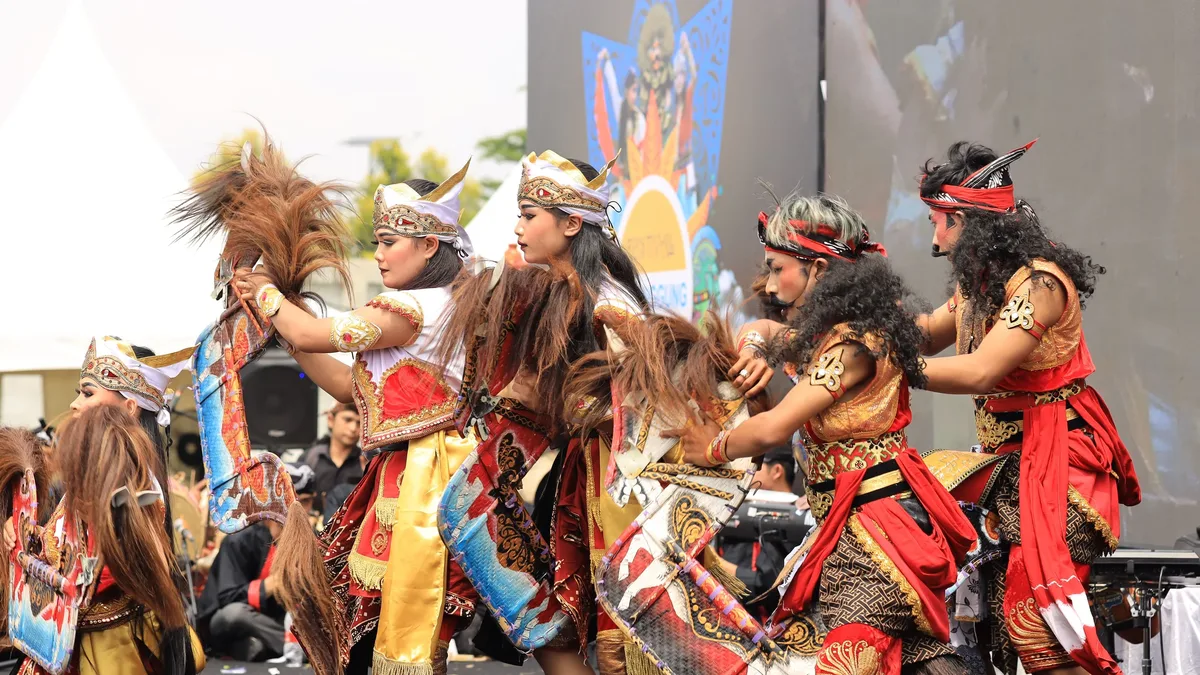
Film Industry Rallies Behind NAZA Directors
Film festival leaders and artists globally support Oscar-winning Israeli directors Yuval Abraham and Rachel Szor after Israel's culture minister...

Fall Art Books Explore Deaf Culture, Chicana Archives, Gaza
A fall reading list highlights 15 upcoming art books, including Guadalupe Rosales's East LA memoir, Christine Sun Kim's archive of deaf imagery, and...
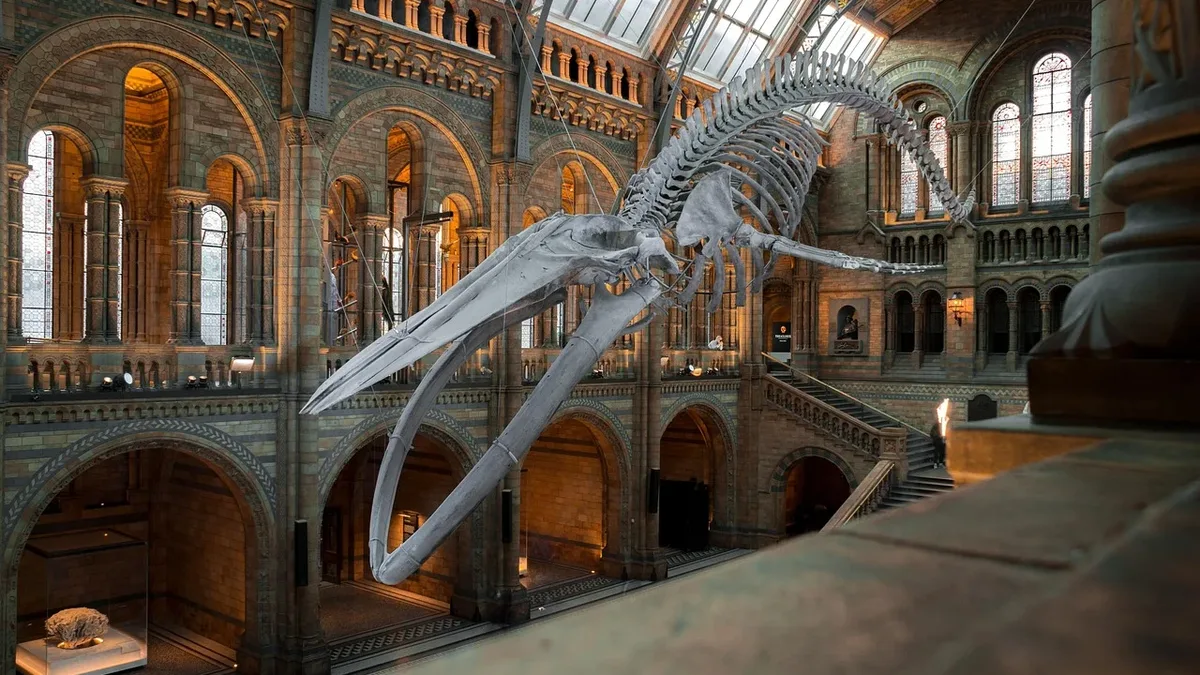
The Whale museum opens in Norway in 2027
A new museum dedicated to whales, called The Whale, will open in Andenes, Norway, on June 4, 2027. It will feature life-size sculptures, immersive...

Washington Irving, father of NYC culture
A new book by Phillip Lopate argues that Washington Irving, the 19th-century author of 'Sleepy Hollow,' is the prototype of the New York writer and a