Platform Culture And Algorithmic Taste
| Subject | Platform Culture And Algorithmic Taste |
|---|---|
| Origin | Emerged from the convergence of social media platforms and recommendation systems |
| Primary audience | Users of algorithmically-curated content platforms (e.g., social media, streaming services) |
| Core concept | The shaping of cultural preferences and norms by automated, data-driven systems |
| Key mechanism | Personalization algorithms that filter and prioritize content |
| Cultural impact | Influences the visibility, spread, and valuation of cultural products |
| Original use | To increase user engagement and platform retention |
Origin and history
Platform Culture and Algorithmic Taste is a cultural phenomenon that emerged from the United States in the early 21st century, specifically gaining critical mass in the 2010s. Its development is inextricably linked to the rise of dominant social media platforms and streaming services like Facebook, YouTube, Instagram, Netflix, and TikTok. The phenomenon is rooted in the shift from curated, editorially-driven content to algorithmically-sorted feeds designed for mass user engagement. This shift was enabled by advances in data collection, machine learning, and the commercial imperative to maximize user attention and retention on digital platforms. The concept was first documented and analyzed by academics and technology critics in the late 2000s and 2010s, who examined its social and psychological impacts. Its history reflects the evolution of the web from a network of static pages to a dynamic, personalized experience governed by proprietary recommendation systems.
What it is for
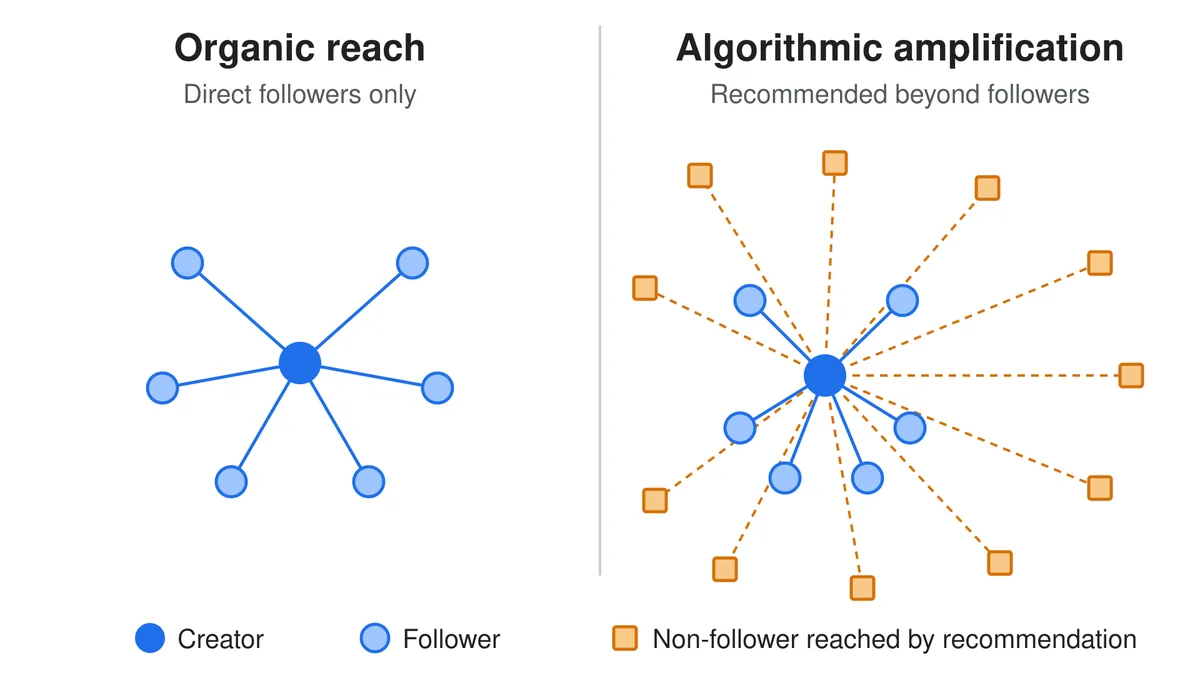
Platform Culture and Algorithmic Taste describes the ecosystem where user preferences and cultural consumption are increasingly shaped by automated recommendation systems. Its primary function for platforms is to sort vast quantities of user-generated and professional content to predict and serve what will keep an individual user engaged. For the user, it ostensibly serves to personalize the digital experience, reducing search effort and surfacing content aligned with perceived interests. The system is designed to identify patterns in user behavior, clicks, watch time, likes, shares, to build a model of individual taste. This model is then used to feed a continuous, automated stream of content, creating a feedback loop between user action and algorithmic suggestion. The broader cultural function is the organization of information, entertainment, and social interaction into fluid, personalized streams that replace traditional gatekeepers like critics, editors, and broadcast schedulers.
Pros and cons
A primary advantage is the discovery of niche content and communities that a user might never encounter through traditional channels, democratizing visibility for creators outside mainstream systems. It can efficiently surface information and entertainment that aligns with a user's established preferences, creating a highly convenient and seemingly intuitive media environment. However, a significant drawback is the tendency of these systems to create filter bubbles or echo chambers, reinforcing existing views and limiting exposure to diverse perspectives. The algorithmic drive for engagement often promotes emotionally charged, extreme, or sensational content, which can amplify misinformation and polarize public discourse. Users frequently regret the passive, endless scrolling it encourages, leading to significant time consumption without a sense of purposeful satisfaction. A common mistake is conflating algorithmic suggestions with a balanced or representative view of a topic, mistaking curated engagement for objective quality or importance.
Who it suits
This cultural environment suits individuals seeking passive, effortless entertainment and those who prioritize convenience and personalization in their media consumption. It is particularly effective for users with well-defined, stable interests, as algorithms excel at deepening engagement within a specific niche or genre. Casual consumers who do not wish to actively seek out content or research options may find the automated delivery system aligns with their low-effort media habits. The phenomenon also suits platforms and businesses whose economic models depend on maximizing user attention and data collection for targeted advertising. It is less suited for individuals seeking deliberate, broad-based cultural education or exposure to challenging, diverse viewpoints outside their established patterns. Researchers, journalists, and anyone requiring comprehensive, non-biased information on a topic must actively work against its narrowing tendencies to ensure a balanced understanding.
Latest Platform Culture And Algorithmic Taste news
Latest reporting

Film Industry Rallies Behind NAZA Directors
Film festival leaders and artists globally support Oscar-winning Israeli directors Yuval Abraham and Rachel Szor after Israel's culture minister...

Fall Art Books Explore Deaf Culture, Chicana Archives, Gaza
A fall reading list highlights 15 upcoming art books, including Guadalupe Rosales's East LA memoir, Christine Sun Kim's archive of deaf imagery, and...

The Whale museum opens in Norway in 2027
A new museum dedicated to whales, called The Whale, will open in Andenes, Norway, on June 4, 2027. It will feature life-size sculptures, immersive...

Washington Irving, father of NYC culture
A new book by Phillip Lopate argues that Washington Irving, the 19th-century author of 'Sleepy Hollow,' is the prototype of the New York writer and a

Drake's Midlife Pivot: A Shift into the Creator Economy
Rapper Drake has been making headlines with his recent foray into the 'creator economy', partnering with a crypto-gambling platform and...