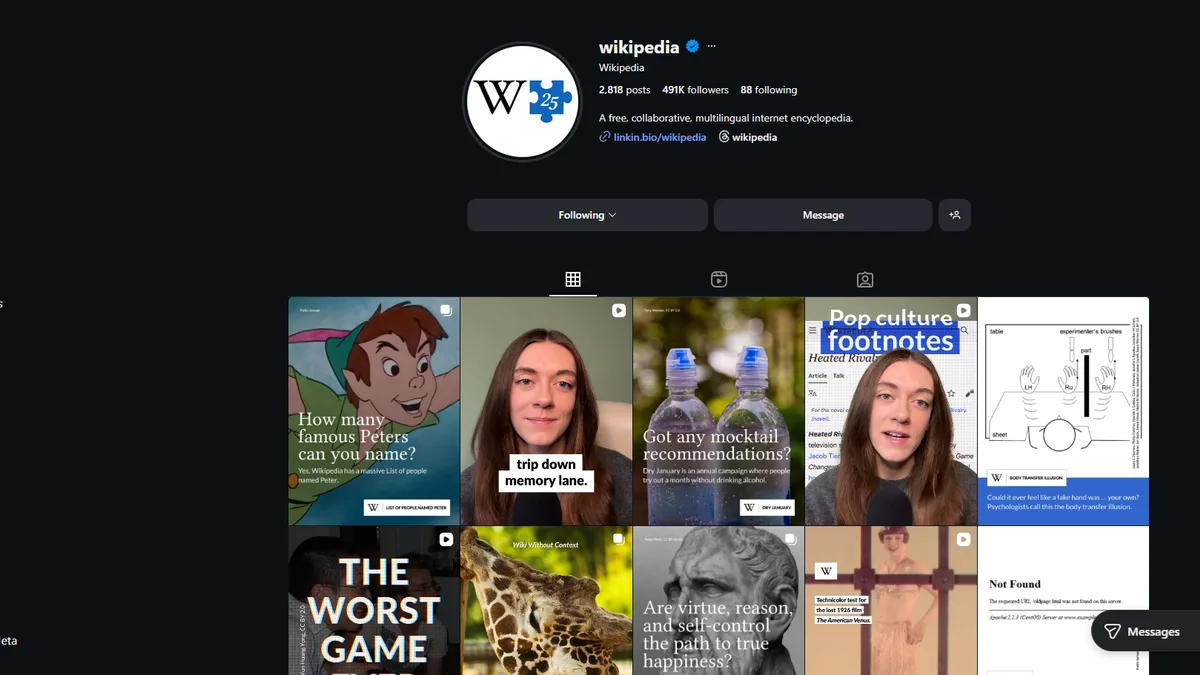
| Original use | Photo-sharing social network |
|---|---|
| First created | 2010 |
| Country of origin | United States |
| Founders | Kevin Systrom, Mike Krieger |
| Primary format | Visual media (photos, videos, Stories, Reels) |
| Core user action | Sharing content, following accounts, liking, commenting |
| Parent company | Meta Platforms, Inc. |
| Key feature | Algorithmically curated feed |
Origin and history
Instagram is a social media platform that originated in the United States. It was created and launched in the early 2010s. The application was developed by Kevin Systrom and Mike Krieger, focusing initially on mobile photography. The core concept centered on enabling users to apply artistic filters to their photos and share them quickly. The platform's name is a portmanteau of "instant camera" and "telegram," highlighting its focus on instant sharing. It grew rapidly, attracting millions of users within its first few years of operation. The company was acquired by Facebook, Inc. (now Meta Platforms, Inc.) in the early 2010s, a move that significantly shaped its subsequent development and integration into a larger social ecosystem.
What it is for
Instagram is primarily for sharing visual content, namely photos and short videos, with a network of followers. Users create a profile to curate a feed of their posted content, which others can view, like, and comment upon. The platform facilitates personal expression, documentation of life events, and the cultivation of a public or semi-public personal aesthetic. It serves as a tool for individuals, artists, and brands to build an audience and establish a visual identity. Key features include Stories for ephemeral content, Reels for short-form video aligned with contemporary trends, and Direct Messaging for private communication. Beyond personal use, it functions as a major digital marketplace and advertising platform for businesses, influencers, and content creators.
Pros and cons
A primary advantage of Instagram is its capacity for visual storytelling and global connection, allowing niche interests and creative work to find an audience. It provides a powerful tool for small businesses and artists to market themselves with relatively low overhead. However, a significant drawback is its potential to negatively impact mental health, particularly among younger users, through social comparison and the pursuit of unattainable curated perfection. The algorithmically driven feed can create filter bubbles and promote homogeneity, while the pressure to gain likes and followers can lead to inauthentic behavior. Many users regret the considerable time investment required to maintain a presence, often feeling the platform is a compulsory social chore rather than a genuine enjoyment. A common mistake is conflating the highly edited, highlight-reel nature of most content with reality, which can distort personal self-esteem and life expectations.
Who it suits
Instagram suits individuals and entities with a strong visual component to their work or personal expression, such as photographers, designers, visual artists, and lifestyle content creators. It is effective for businesses whose products or services are inherently visual, including fashion, food, travel, and interior design. The platform appeals to those who enjoy curating a personal aesthetic and engaging with visual trends and communities. It can be a valuable tool for activists, educators, and organizations aiming to disseminate information quickly through visual media. However, it is less suited for individuals sensitive to social validation metrics or those seeking primarily text-based discussion. It requires a consistent time commitment for content creation and community engagement to sustain a visible presence, making it a poor fit for casual users who wish to avoid these pressures.
Latest Instagram news
Latest reporting
Ed Sheeran addresses Macklemore tour removal over Palestine
Ed Sheeran responded on Instagram to backlash after rapper Macklemore was removed from his tour for making 'Free Palestine' comments.
Gloria Steinem, Feminist Icon and Journalist, Dies at 92
Gloria Steinem, the pioneering feminist journalist and activist, has died at her New York City home aged 92. Her Instagram account announced she...