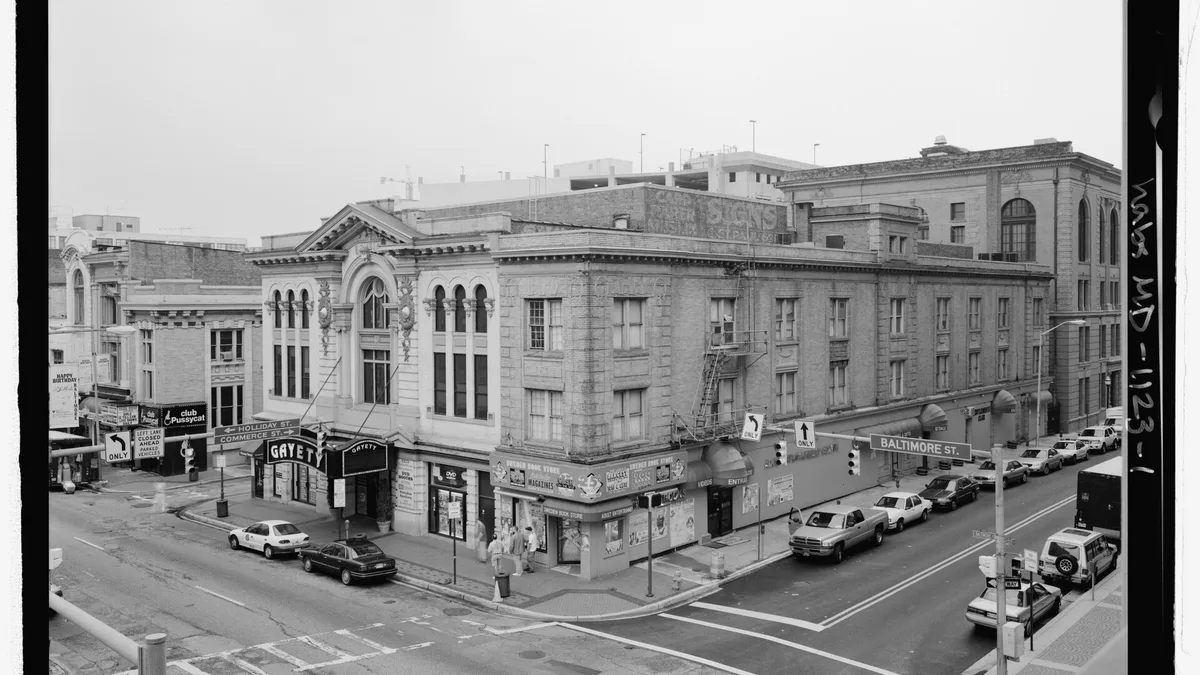
Independent Bookshops And Record Shops
| Cultural phenomenon | Independent Bookshops And Record Shops |
|---|---|
| First created | Late 20th century |
| Original use | Curated retail and community hubs for physical media |
| Primary audience | Enthusiasts, collectors, and local communities |
| Key characteristic | Owner-operated, non-chain retail |
| Typical location | Urban neighborhoods and town centers |
| Common features | In-person events and personalized curation |
Origin and history
The independent bookshop and record shop, as a combined cultural entity, emerged primarily in the latter half of the 20th century, with roots in the counterculture movements of the 1960s and 1970s in the United States and the United Kingdom. These spaces evolved from earlier, separate traditions of small-scale bookselling and music retail, which were often community-focused and proprietor-run. The convergence was fueled by a shared demographic of intellectually curious and artistically inclined consumers who sought literature and music outside the mainstream. The punk and indie scenes of the late 1970s and 1980s further solidified this pairing, with shops often serving as vital hubs for subcultural dissemination and community formation. Their proliferation was a direct reaction to the rise of large chain retailers and, later, online marketplaces, which threatened these curated, personal retail experiences. The model has since become a global phenomenon, with notable examples found in cities worldwide, each adapting to local cultural and economic conditions while maintaining core principles of independent curation.
What it is for
These establishments serve as curated retail environments dedicated to the discovery and sale of physical media, specifically books and recorded music, often with an emphasis on non-mainstream, niche, or specialist genres. They function as community anchors, providing a physical space for like-minded individuals to gather, browse, and discuss cultural works. A primary purpose is the exercise of expert curation, where owner or staff selections offer an alternative to algorithm-driven recommendations from larger corporations. They frequently act as informal cultural centers, hosting events such as author readings, album launch parties, live performances, and book clubs, which deepen engagement with the arts. Furthermore, they preserve and champion the tangible object, the book and the vinyl record or CD, as artifacts of cultural value beyond their digital equivalents. Ultimately, they exist to foster a slower, more deliberate form of cultural consumption that prioritizes depth, discovery, and human connection over convenience and volume.
Pros and cons
A significant advantage is the depth of curated selection and expert knowledge offered by passionate staff, which can lead to unexpected discoveries and a more personalized shopping experience. These shops often support local economies, circulate money within the community, and provide a platform for small publishers and independent record labels. The social and cultural value they generate as community hubs is considerable, creating intangible benefits that large retailers cannot replicate. A primary disadvantage is the higher cost of goods and the potential for inconvenient locations or limited opening hours, which can deter price-sensitive or time-poor customers. The business model is notoriously fragile, with high overhead costs, slim profit margins, and constant pressure from online retailers offering lower prices and vast inventories. Customers may sometimes encounter a perception of elitism or insularity, where the environment feels unwelcoming to those without niche knowledge, and the focus on specific genres can limit general appeal.
Who it suits
This model suits consumers who value the act of discovery and the tactile experience of physical media over the convenience and price of digital or mass-market alternatives. It appeals to collectors, enthusiasts, and completists who seek rare, out-of-print, or specially pressed editions that algorithms are unlikely to surface. The environment is ideal for individuals looking to deepen their knowledge in specific literary or musical genres, benefiting from the proprietor's expertise. It serves local communities seeking a "third place" outside of home and work, a neutral ground for cultural engagement and social interaction. The model also aligns with the values of those who prioritize conscious consumerism, wishing to support local businesses and independent creators directly. Finally, it suits artists, writers, and musicians who rely on these venues for community, inspiration, and as a viable channel to reach an engaged audience for their work.
Latest Independent Bookshops And Record Shops news
Latest reporting

Book Bans 2025-2026 School Year Hit Record High
U.S. Public schools recorded nearly 12,000 book bans in the 2025-2026 school year, the highest annual total since tracking began.

Spider-Man and The Odyssey Drive Record Summer Box Office
Two summer blockbusters starring Tom Holland and Zendaya have propelled the US box office to its biggest summer season ever.
Public Record returns with New York tribute at Delacorte
Theatre-makers Emily Lim and Dan Canham bring a community-driven live performance to Central Park’s Delacorte Theater.
Producer Christine Vachon on Fighting for Provocative Stories in US Independent Film
Christine Vachon, a trailblazing producer in US independent film, has been making idiosyncratic American cinema for over 35 years. Her production...

The Rise of AI Music: A Battle for Authenticity in the Music Industry
The debate over AI-generated music has reached a boiling point, with some artists and record labels embracing the technology, while others are...

The Odyssey Inspires a New Generation of Readers
Christopher Nolan's film adaptation of Homer's epic poem has sparked a renewed interest in classical literature, with poetry sales in the UK reaching...