Roy Lichtenstein and Social Justice Lead Art Season
The New York art season features a major Roy Lichtenstein retrospective at the Whitney and exhibitions addressing social justice.

The Whitney Museum of American Art will open a major career retrospective for Pop artist Roy Lichtenstein on October 11. According to a New York Times season preview by critic Holland Cotter, exhibitions touching on social justice will give the broader art season a sense of grit and purpose.
A second, smaller show focused on Lichtenstein's final works opens September 5. The Whitney promises a comprehensive view of the artist, who died in 1997. Lichtenstein took mass culture like comics and advertising as his primary material. His crisply executed images captured their graphic allure but added hints of critical content during the Vietnam War and feminist movement. Later, he increasingly presented himself as a painterly painter working in a linear mode, adding riffs on Modernist figures like Monet and Pollock to his repertoire.
Modernist Highlights and Reassessments
European Modernism provides another highlight with "Brancusi: The Artist and His Studio" at the Museum of Modern Art from October 25 to February 27, 2027. The exhibition features a selection from the Romanian-born sculptor's Paris studio, much of which usually resides at the Centre Pompidou.
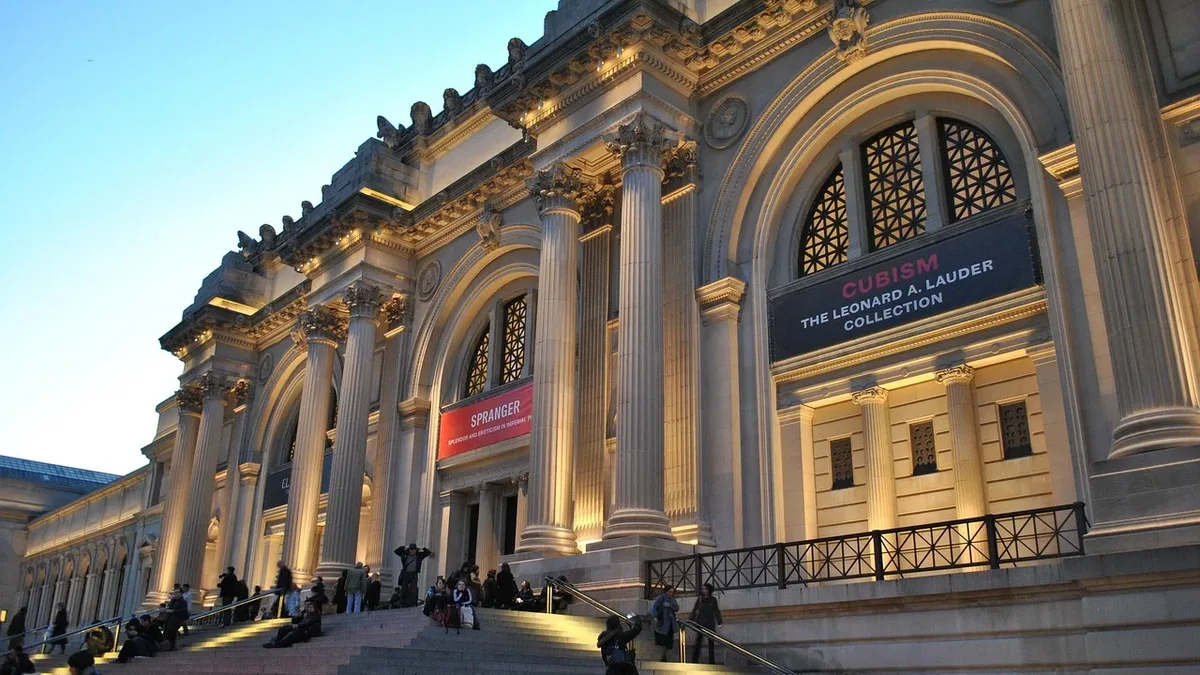
The Metropolitan Museum of Art will challenge traditional, male-focused accounts of Modernism with "Krasner and Pollock: Past Continuous," opening October 4. The exhibition explores the shared stylistic impulses of Lee Krasner and Jackson Pollock, who met in the early 1940s and married. Pollock's career accelerated quickly and ended with his death in 1956. Krasner continued painting for another 30 years, gradually gaining mainstream recognition. The show aims to demonstrate how Krasner pursued her own rich artistic route.
Art and Social Justice
Cotter's preview notes an impulse to erase inclusive cultural histories, evidenced by what it describes as new restrictions and directives from the current White House. In this context, the work in "Arthur Jafa: I Am Tony" at the New Museum is presented as invaluable. The retrospective runs from September 24 to January 31, 2027.
The Los Angeles-based artist's early films, beginning with 2016's "Love Is the Message, The Message Is Death," served as visual accompaniment to the Black Lives Matter movement. His work has grown more insistent in exploring Blackness from aesthetic, political, and existential perspectives. The exhibition arrives as doors recently opened to admit Blackness into conventional American accounts are, in the critic's view, being closed again.
Other notable exhibitions include the storytelling surprises of the Lucas Museum of Narrative Art and activist art from Colombia to South Asia. The season positions pop art icons alongside exhibitions engaging directly with contemporary social struggles.