Amos Gitai's Venice Film The Road to Jericho Centers on a Threatened Bedouin School
Veteran Israeli director Amos Gitai premieres a documentary at the Venice Film Festival, using a threatened Bedouin school.
Israeli director Amos Gitai says his new documentary, The Road to Jericho, is a civic gesture born from being disturbed. The 75-year-old filmmaker frames the fraught history of the Israeli-occupied West Bank through the story of a Bedouin school under threat of demolition.
Gitai premiered the film at the Venice Film Festival. He explains his work scratches a memory in a region where, he says, the efforts for dialogue were decapitated by the 1995 killing of Prime Minister Yitzhak Rabin. "Everything has been destabilised and we are now in the hands of people who don't want peace, whether it's extreme-right settlers or Hamas," Gitai told reporters. He calls this the worst time he has known.
The School of Tires
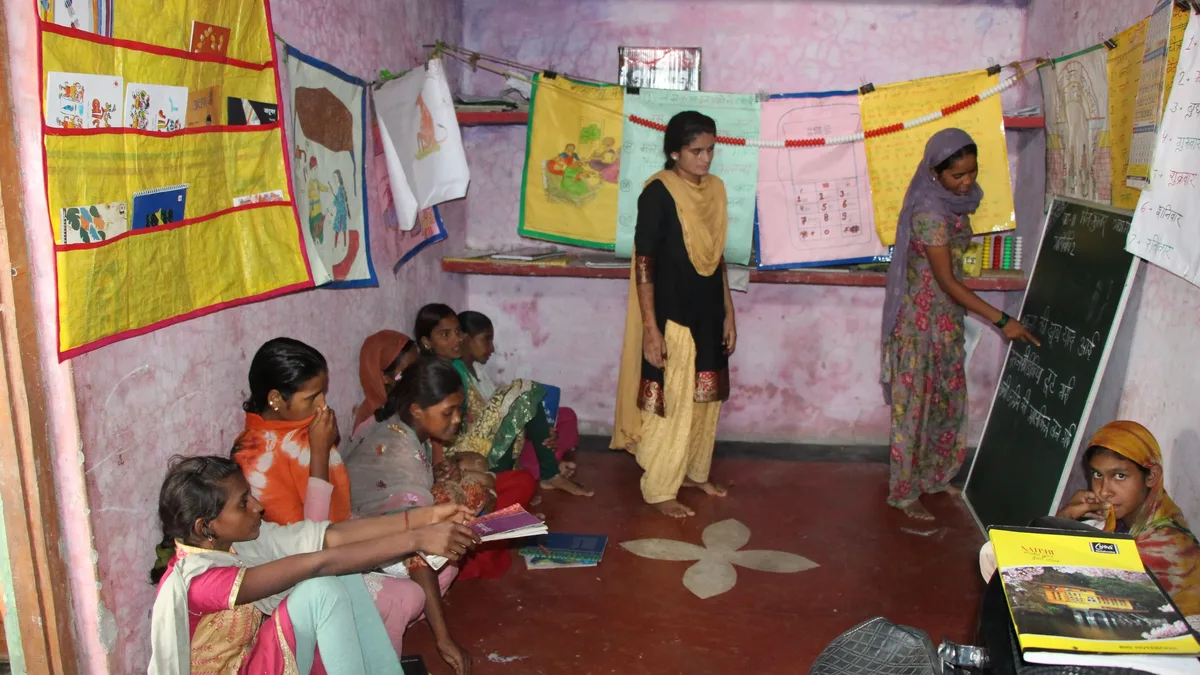
The film uses the Palestinian village of Khan al-Ahmar as an anchor. At its heart is the so-called "school of tires," a structure built from rubber, wood and adobe for about 300 Bedouin children. Israeli authorities have denied it a building permit and deemed the entire settlement illegal. For eight years, it has faced imminent demolition.
Gitai credits international pressure for keeping it open. "The school has become a litmus paper," he said. "It is a test of how far the international community will go." He first visited a decade ago and was moved by the community's perseverance. He wanted to use filmmaking to defend the school.
A Haunting Historical Churn
The Road to Jericho is not a polemic. Gitai describes it as a fluid, haunting tone poem. It mixes a portrait of the school with ghostly archive footage from his own 40-year career. This includes clips of playwright Arthur Miller from his 2001 film Eden and interviews with former Israeli leaders Shimon Peres and Yitzhak Rabin from the era of the Oslo accords.
Gitai reflects on a brighter past. He recalls Rabin's sober approach. "He wanted an agreement and was prepared to put all the questions on the table and discuss them," Gitai explains. That spirit, he states, is now gone.
Cinema as a Vessel for Ideas
The director is clear about art's limits and potential. "I don't believe art changes reality," Gitai says. "That was never the case. What art can do is scratch a memory, and that's important." He argues that while machine guns and money move the world, so do ideas. Cinema, for him, is a great vessel for those ideas.
He is wary of art that deals in certainties. His approach is more elliptical and deeply felt. The film joins other Middle East-focused works at Venice, including NAZA, about the Israeli military's role in Palestinian civilian deaths, and the VR documentary Raj'in about West Bank ethnic cleansing.
Preserving Hope After Horror
Gitai recalls an interview from his 1982 documentary Field Diary. He asked Bassam Shakaa, the wheelchair-bound mayor of Nablus who lost a leg to settler violence, if he was an optimist. Shakaa replied, "Pessimism is a luxury we cannot afford."
Those words still resonate. Gitai refuses to call himself naive, but he points to Europe's reconstruction after the second world war as a historical reference. It shows people can come together after horror. "So you have to preserve hope," he concludes. "Hope and ideas, these are the great motors for change."