PM Burnham Reverses Parthenon Marbles Stance
UK Prime Minister Andy Burnham has reversed his long-held support for returning the Parthenon Marbles to Greece, now calling it an issue for the British Museum.
UK Prime Minister Andy Burnham has reversed his position on the Parthenon Marbles. According to the Financial Times, the new Prime Minister now says the issue of returning the sculptures to Greece is a matter for the British Museum.
Burnham, who took office in July, had supported the marbles' return as early as 2002. He reiterated that stance in 2023, stating the return should be no strings attached.
A Shift in Position
In an interview with the Financial Times last month, Burnham's tone changed. He told the paper this marks a clear departure from his previous calls for unconditional repatriation.
The British Museum has consistently denied Greece's formal requests for restitution, which began in 1983. The museum's trustees argue there is public benefit in the current division of the collection.
The History of the Elgin Marbles
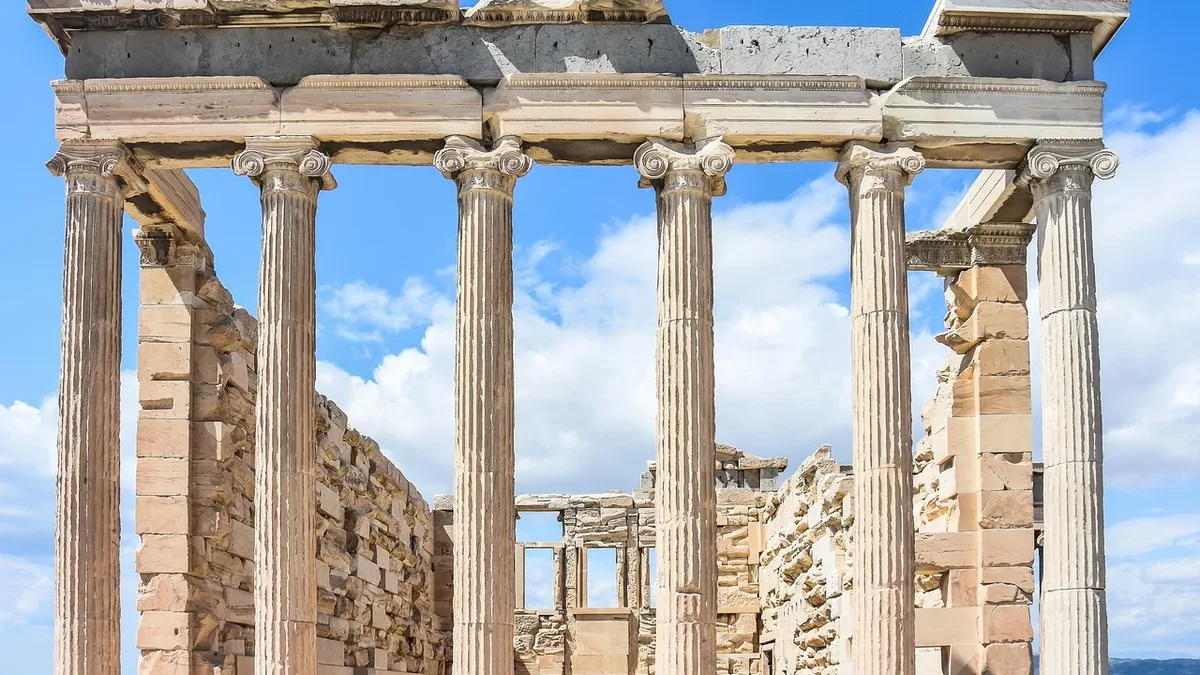
The sculptures date to the 5th century BCE and were created for the Parthenon on the Acropolis in Athens. In the early 19th century, Lord Elgin, then British ambassador to the Ottoman Empire, obtained a permit from the Ottoman Empire, which had control over Athens for 350 years, to remove about half of the remaining marbles from the site.
Elgin transported them to Britain, where they were later acquired by the British Museum. A Parliamentary Select Committee in 1816 investigated his actions and found them to be entirely legal. Because of Lord Elgin's role, the collection is often called the Elgin Marbles. The collection includes 15 metopes, 17 pedimental figures, and 247 feet of the original frieze.
The Ongoing Dispute
Greece has long sought the sculptures' return. The Acropolis Museum in Athens, which opened in 2009, houses the Parthenon marbles that remained in Greece. It is the intended destination should the British Museum's holdings ever be sent back.
The British Museum maintains its stance. In a previous statement, it said the Trustees firmly believe that there's a positive advantage and public benefit in having the sculptures divided between two great museums, each telling a complementary but different story.
Burnham's new position aligns the UK government more closely with the museum's institutional view. It places the legal and ethical responsibility for the contested artifacts squarely with the museum's trustees. The Prime Minister now emphasizes cultural diplomacy over direct political intervention in the long-running cultural dispute.