Historic pollution damaged Murujuga rock art
A new Western Australia government report concludes that historical industrial pollution, not current emissions, likely damaged the ancient rock art of Murujuga.
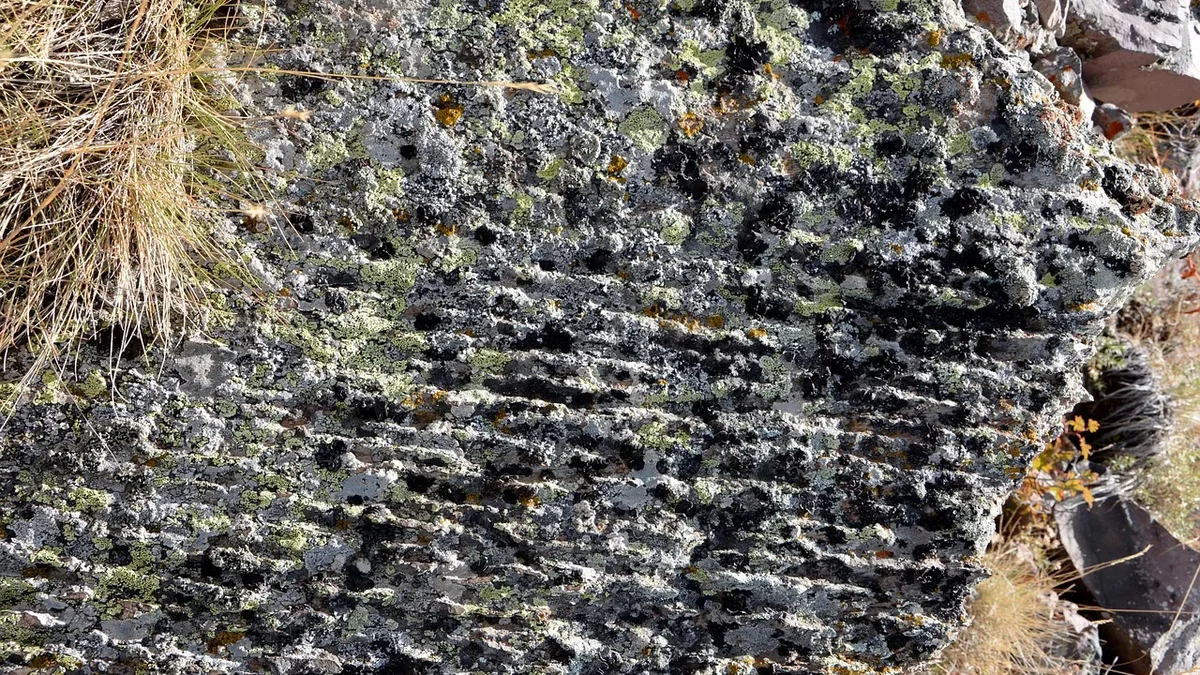
A major study suggests historical industrial pollution, not current emissions, damaged the world's largest collection of ancient rock art. The findings come from a new report by the Western Australia government, based on three years of research by the Murujuga Rock Art Monitoring Program.
This program focuses on the Burrup Peninsula and Dampier Archipelago in the Pilbara. The area is home to an estimated one million to two million petroglyphs created by the Ngarda-Ngarli people over tens of thousands of years. The rock art was added to the UNESCO World Heritage List in 2025.
Since the 1960s, the region has also been an industrial hub. Scientists and local traditional owners have long questioned if pollution from fertilizer and liquefied natural gas plants was harming the ancient engravings.
Research Methods and Key Findings
The research combined rock condition measurements, lab experiments, air quality monitoring, and rainfall chemistry. Last year, scientists reported signs of elevated porosity in the rock's weathered layer near industrial areas. The new report confirms this using expanded data.
Porosity tends to be higher at sites closer to industrial sites and lower at sites farther away. The analysis points to historic levels of sulfur dioxide as the likely cause. "Transport fuels, shipping fuels industry all have some level of sulfur in their fuel," lead scientist Ben Mullins told the Australian Broadcasting Corporation (ABC).
Sulfur dioxide can form sulfuric acid, contributing to acid rain. This acid can dissolve manganese and iron oxide in the rock, creating tiny holes.
Implications for Coexistence and Management
The researchers argue most observed damage occurred in the past and is not a direct result of current air pollution. Sulfur dioxide emissions have dropped sharply since the 1970s and 80s. No acid rain was detected during the study, and air quality met interim standards.
The findings suggest industry and the rock art can co-exist with careful monitoring. "There are groups who will accept nothing other than complete removal of all industry from the Murujuga region," Mullins and lead inorganic geochemist Katy Evans wrote last year. "However, with respect to impact from emissions, that view is not supported by the current scientific evidence."
Belinda Churnside of the Ngarluma people and the Murujuga Aboriginal Corporation stated, "As traditional owners and custodians, we know that protecting Murujuga requires both cultural knowledge and robust science."
Future Research Directions
The team believes sulfur dioxide likely worked with microorganisms on the rock surface to cause damage. They plan to investigate how these and other factors interact over decades. "Damage to landscapes such as Murujuga rarely have a single cause," the researchers noted in The Conversation.
The program's four-year research phase is nearly complete. The final year aims to establish a basis for long-term monitoring. Western Australia's environment minister, Matthew Swinbourn, indicated the government would continue supporting evidence-based efforts centered on the traditional owners' voice. He added that the report only informs a point in time and that the work must continue.
Source: Smithsonian Magazine